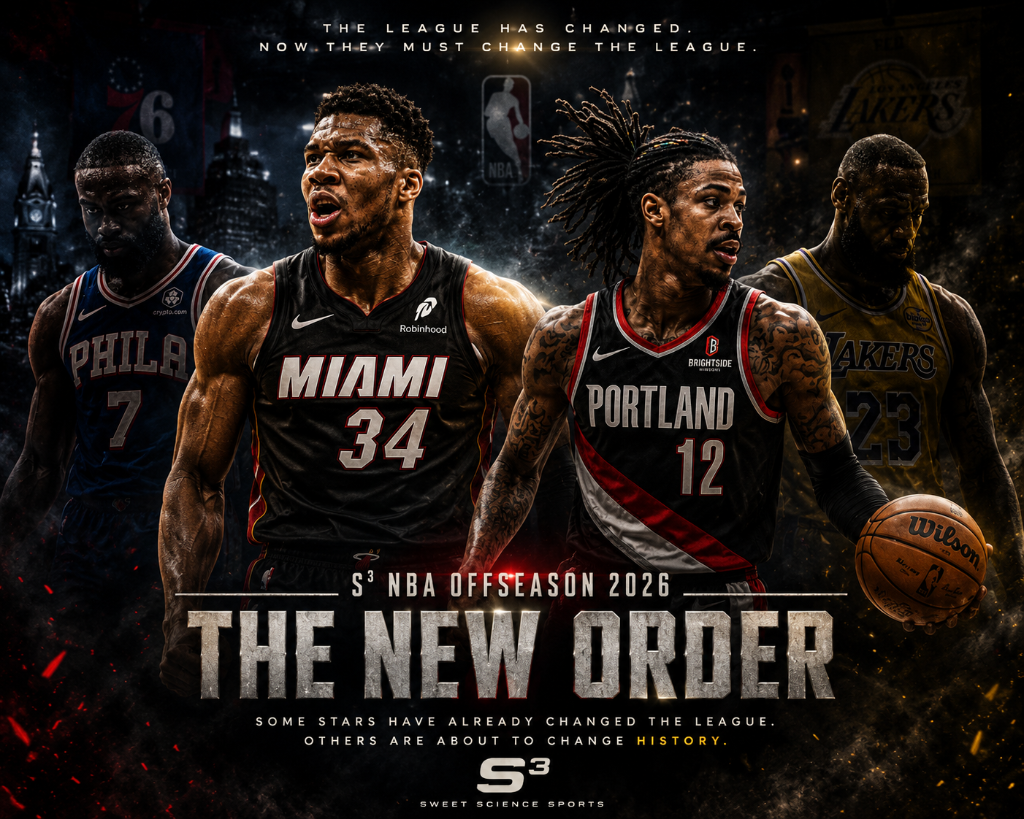

The NBA is still entertaining. The talent is undeniable. The shot-making is elite.
But something feels off.
Turn on a playoff game and the pattern emerges almost immediately: drive, kick, swing, open three. Then it happens again. And again. Different teams, same script. The game has not lost its skill. It has lost its balance.
A League Full of Open Looks
The biggest issue in these playoffs is not the volume of threes being attempted. It is how clean those looks are.
Defenses are routinely giving up:
- Wide-open corner threes
- Late or nonexistent closeouts
- Straight-line drives that collapse the entire floor
This is not just great offense at work. It is a combination of spacing, rules, and defensive habits that have not fully adjusted to what modern offenses are doing.
Today's offensive systems are built to find one mistake and turn it into three points. With five capable shooters spread across the floor, one step of help defense becomes a chain reaction. By the time the ball swings to the open man, the defense is already a step behind.
Too many possessions end up feeling easy. That should not be the case in the playoffs.
How the Game Got Here
This shift did not happen overnight.
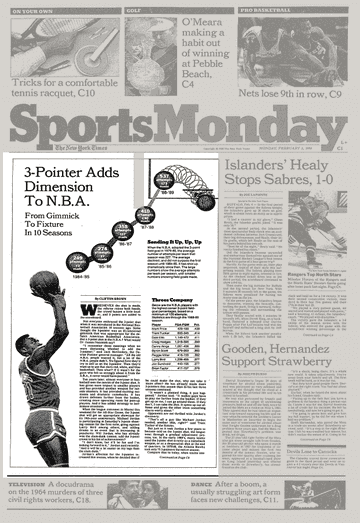
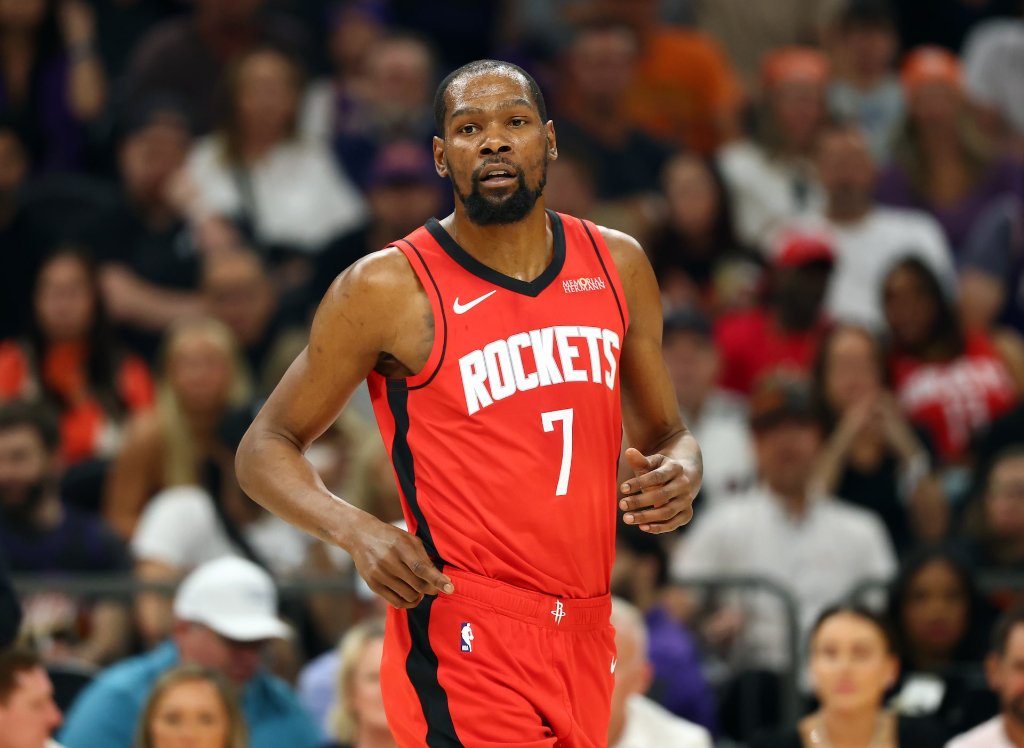
The late 2010s, driven largely by the Golden State Warriors dynasty, fundamentally changed how teams thought about offense. The shooting of Stephen Curry and Klay Thompson stretched defenses in ways the league had never seen before. And then Kevin Durant joined that system.
That was not just a style anymore. That was overload.
Elite shooting combined with elite isolation combined with elite spacing created an offense that had no clean defensive answer. The rest of the league looked at those Finals appearances and drew what seemed like a logical conclusion: more threes, more spacing.
But that was only part of the equation.
The Warriors were not great because of the system alone. They were great because of who was running it.
The Copycat Era
Since then, most of the league has leaned hard into the same framework:
- High pick-and-roll volume
- Five-out spacing
- Heavy three-point reliance
Analytics reinforced it. Coaches adopted it. Player development pipelines fed directly into it.
The result is a league where many teams are running some version of the same offense. Not identical, but close enough that the contrast between matchups has softened. That is where the "vanilla" feeling creeps in. When every team looks roughly the same, the game stops feeling like a competition between ideas and starts feeling like a performance of the same idea.
What's Missing: Identity
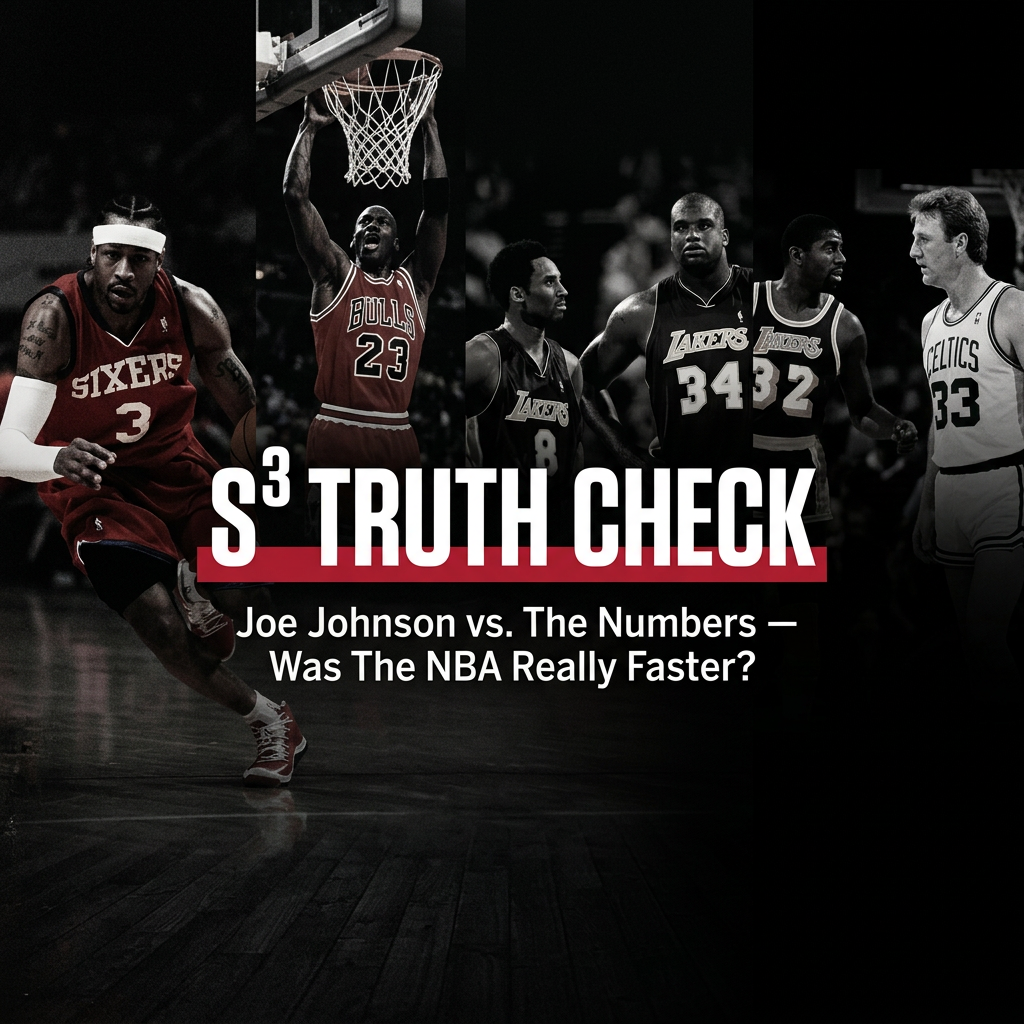
The best eras of basketball were never defined by one style dominating. They were defined by styles colliding.
Look at the 1993 Finals. The Phoenix Suns pushed pace and used the three as a genuine weapon before most teams had figured that out. The Chicago Bulls countered with structure, midrange execution, and suffocating defense. Two completely different approaches. One unforgettable series.
Or think about the mid-2010s, when motion offenses, isolation-heavy teams, post-based systems, and defensive grinders all coexisted in the same league. That variety created real tension. It made playoff matchups feel like chess. You actually had to figure out which style would win. Now, there is less to figure out.
The Teams Getting It Right
Not every team has fallen into the same trap, and it shows.
The Oklahoma City Thunder are the clearest example. They do not lean on a traditional post presence, but they apply constant pressure at the rim through drives, cuts, and pace. Their offense operates across all three levels, not just one.
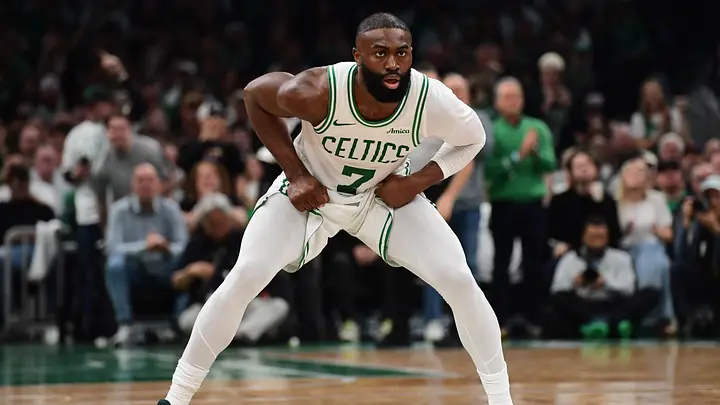
The Boston Celtics, despite their well-documented three-point volume, are not simply chucking shots. They hunt specific matchups, collapse defenses strategically, and generate their threes with genuine purpose.
The Denver Nuggets run everything through Nikola Jokic, using inside-out play to dictate terms rather than simply react to what the defense gives them.
Different identities. Same league. That is what the rest of the postseason needs more of.
A Fix That Is Not Simple
The problem is not the three-point shot itself. The shot is fine. It is how teams are using it.
The best version of this game looks like this: a defensive team uses shooting to punish opponents who load up inside. A paint-dominant team attacks the rim first and hits threes when help collapses. A perimeter team still pressures the basket and works multiple levels.
In other words: identity first, threes second.
Right now, too many teams start with the three and build everything else around it. That is backward, and at some point defenses are going to start exposing it.
Where Defense Fits In
Defense has not disappeared, but it is under serious pressure. Spacing stretches it thin. Rules limit physicality. Modern offenses are designed to exploit every rotation.
But some of the breakdowns are self-inflicted. Teams are over-helping on drives. Coverages are too predictable. Closeout discipline is inconsistent at best.
The next evolution in this league is probably not going to come from offense. It is going to come from defenses that stay home more, mix their coverages, and force teams into styles they are not comfortable with.
The offense has had the answers for a while now. Defense needs to find new questions.
The Bottom Line
The NBA has not lost its talent. It has not lost its skill.
What it has lost, at least in stretches, is balance.
Too many open threes. Too many possessions that feel predetermined. Not enough contrast between teams to make the matchups feel truly unpredictable.
The game does not need a revolution. It just needs to remember what made it great in the first place: different styles, real resistance, and offense that feels earned rather than handed over.
Right now, the league is handing out too many free looks.
And eventually, that catches up with everyone.