
Watch an NBA game tonight. Really watch it.
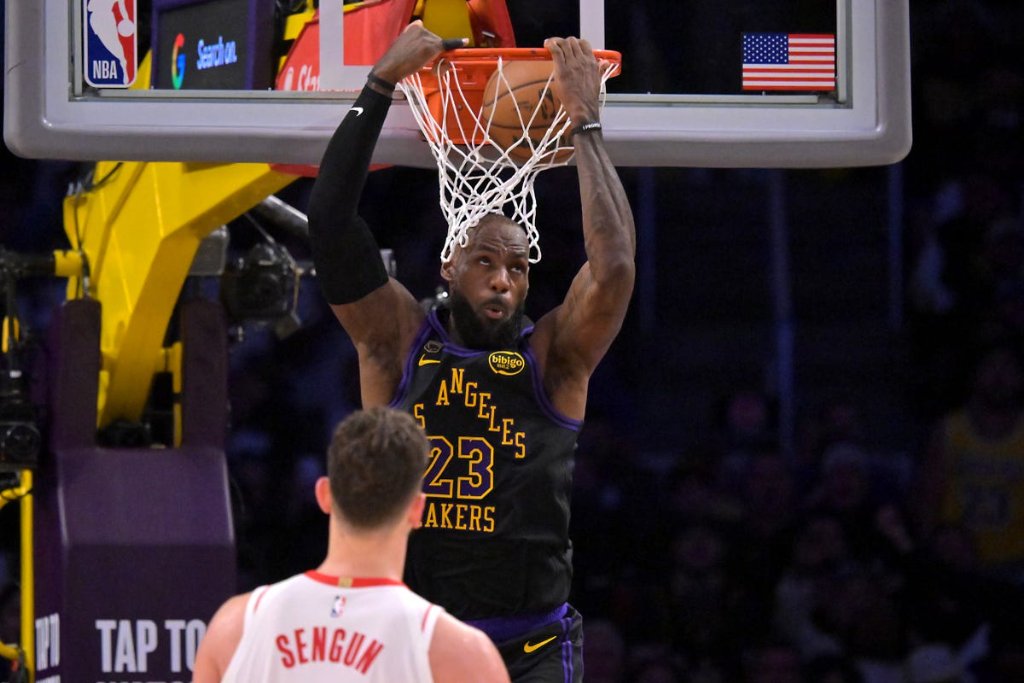
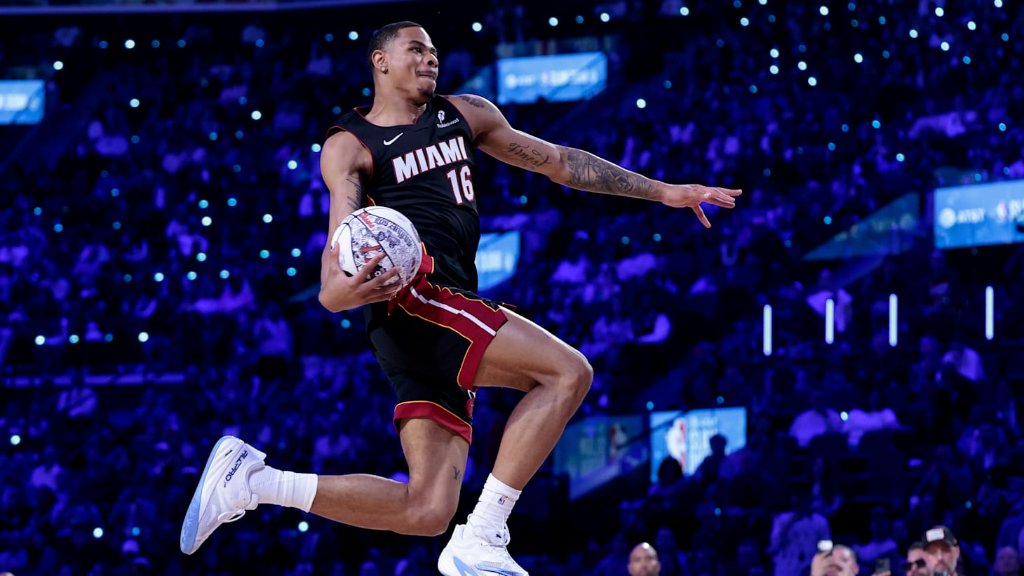
Shots. Threes. Quick whistles. Critical possessions.
Everything is happening.
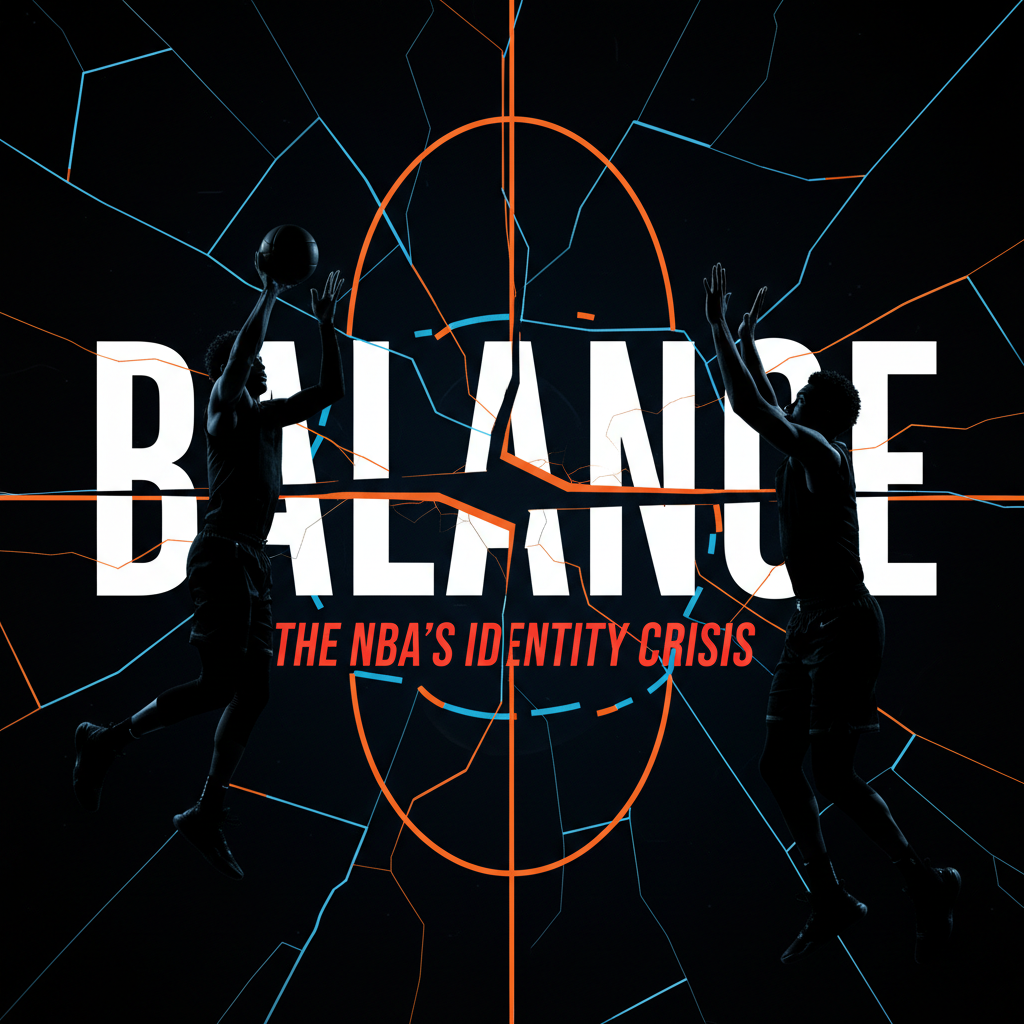
And somehow, something feels off.
Not boring. Not broken. Just... not the same.
Because what you're watching has an enormous amount of action.
It just doesn't have very much tension.
Excitement and Stimulation Are Not the Same Thing
Most people can't articulate the difference. But they feel it. That blurring line between what gets your pulse up and what actually means something is quietly reshaping how we experience the NBA.
Here's the distinction:
Stimulation is fast pace. Constant scoring. Perpetual motion. Immediate results.
Excitement is tension. Doubt. Something building. Something that could collapse.
The NBA has never been more stimulating.
It has never been less tense.
The Most Optimized Sport in History
Modern basketball is a marvel of efficiency.
Spacing is perfect. Shot selection is rationalized. Possessions resolve quickly. Offenses rarely get truly stuck.
Every trip down the floor produces a solution.
And that, right there, is the problem.
There is always a way out. And when there's always a way out, there's never real danger.
No danger. No stress. No need.
What Stagnation Actually Does
It sounds strange to say, but stagnation is a feature, not a bug.
In sports, when offenses stall, when defenses smother, when the clock bleeds and nothing is moving, the crowd leans in. The moment compounds. The stakes feel real.
It forces the question: What are they going to do?
That question doesn't get asked much in today's NBA.
Because there's always a shooter. Always a switch. Always a transition bucket waiting. The game moves before pressure can accumulate.
Why the '90s Hit Different
Teams in the 1990s weren't grinding to 90 points because they were bad. They were grinding to 90 points because the game made them.
Hard-fought possessions. Physical defense. Late-clock decisions. Limited options.
Every basket felt earned. And because it was earned, it landed.
Every moment meant more when fewer moments existed.
The Horror Movie Principle
Think about it this way.
The Exorcist terrified audiences through stillness. Friday the 13th went the other direction: constant carnage, relentless pacing.
But which one stayed with you?
The one that made you wait. The one that made you feel something before anything happened.
That's not just horror. That's the architecture of every great dramatic experience.
Sports included.
The Game of Thrones Blueprint
Game of Thrones, at its peak, wasn't built on battles. Battles were the payoff.
The real engine was conversation. Strategy. Pressure building beneath the surface. Seasons of tension before a single sword was drawn.
When it finally exploded, it meant something.
The NBA used to work that way. A halfcourt set grinding into a timeout. A coach drawing something up. A star taking over with six seconds left because the offense broke down and he had no choice.
Those moments don't happen when the offense never breaks down.
What March Madness Still Has
College basketball, specifically the NCAA Tournament, still carries something the NBA has optimized away.
Flaws. Chaos. Broken plays. Everything on the line with no margin for error.
Nobody knows what's going to work. And that uncertainty is precisely why it grips you.
The crowd tenses. Momentum swings. Endings feel impossible until they aren't.
It feels alive because it could break at any moment.
The NBA stopped feeling like it could break.
What the League Actually Lost
The NBA didn't lose its athletes. It didn't lose its skill. It didn't stop moving.
It lost the space between moments.
That space is where tension lives. Where anticipation builds. Where the next play feels like it matters, not just as points, but as something at stake.
Remove the space. Fill every second with stimulation. And what you're left with is a highlight reel that plays forever, without ever making you feel anything.
The S³ Closing Thought
The NBA is still exciting, technically.
It replaced tension with perpetual stimulation.
And in doing so, it forgot what sports have always known:
The best moments aren't given to you.
You have to wait for them.