
November 1, 2026 | Pittsburgh, Pennsylvania
The Cleveland Browns have made a habit of overcoming adversity this season, but their comeback magic disappeared Sunday afternoon at Acrisure Stadium.
The Pittsburgh Steelers dominated Cleveland 27–6, improving to 6–2 while dropping the Browns to 5–3.
Pittsburgh overwhelmed Cleveland's offensive line, recording eight sacks and holding the Browns to just 34 rushing yards. The Steelers also rushed for 200 yards, controlling the line of scrimmage on both sides of the football.
For Cleveland, the defeat highlighted a growing problem. The Browns have demonstrated their ability to rally from difficult situations, but they have struggled to put together four complete quarters of football.
Pittsburgh Wins the Battle in the Trenches
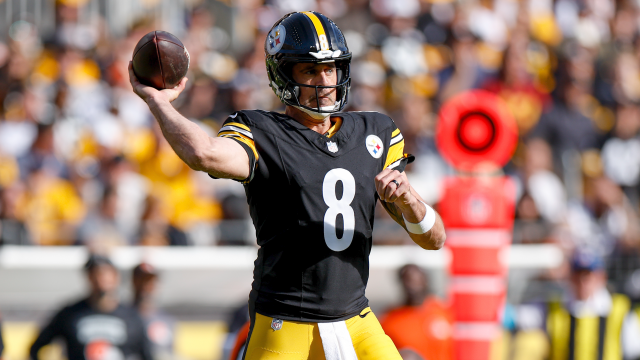
The Steelers didn't need a spectacular performance from Aaron Rodgers to control the game.
Rodgers completed 13 of 25 passes for 172 yards, no touchdowns and one interception. Pittsburgh instead relied on its rushing attack and defensive pressure.
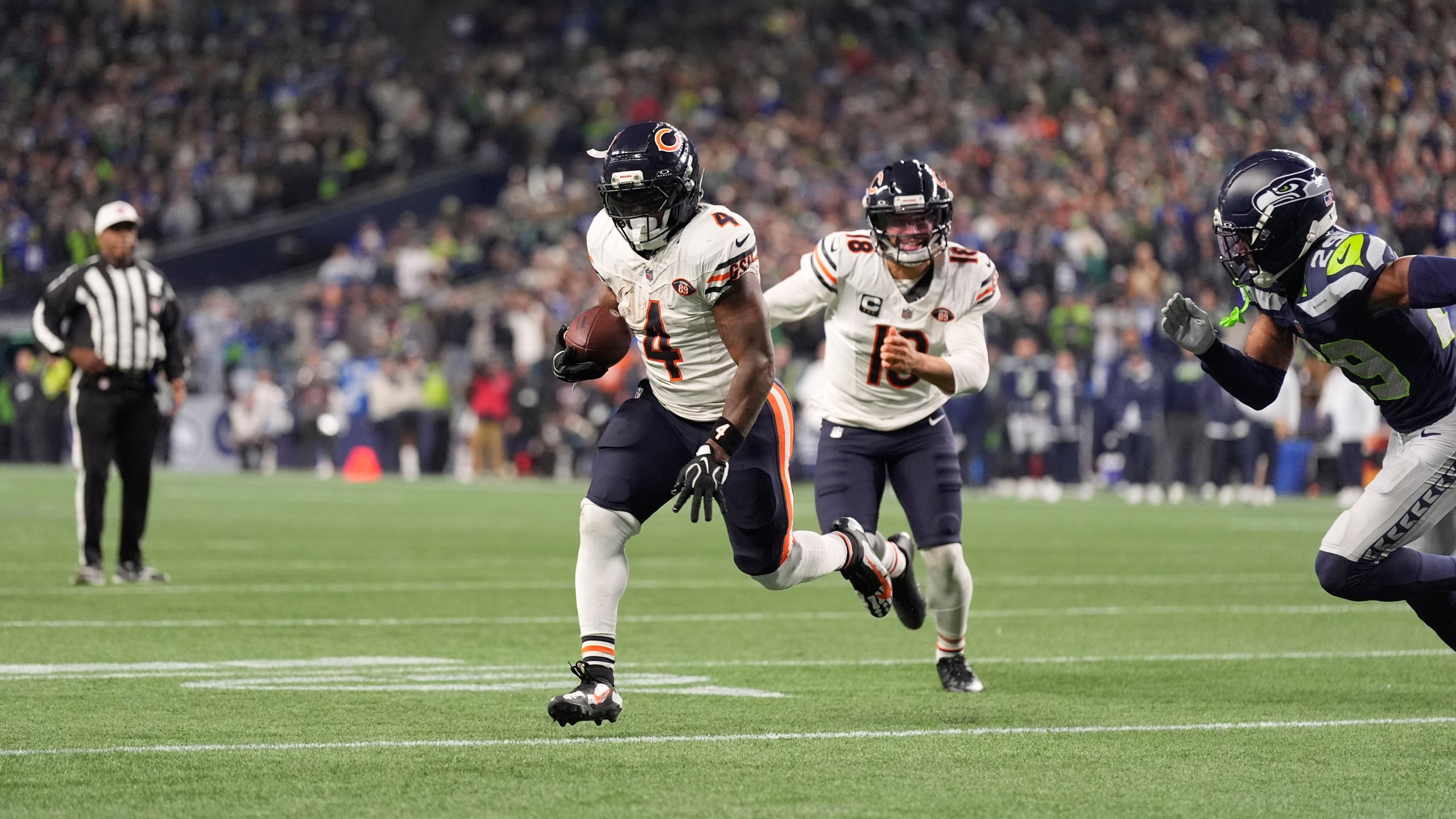
Jaylen Warren delivered an outstanding performance, rushing for 143 yards and a touchdown on 17 carries. Rico Dowdle added 56 yards and a touchdown, while Pat Freiermuth scored on a one-yard rushing play just before halftime.
The Steelers averaged 6.1 yards per rushing attempt, repeatedly finding opportunities against Cleveland's defensive front.
Pittsburgh finished with 361 total yards and converted all three of its red-zone touchdown opportunities.
Eight Sacks Disrupt Cleveland's Offense
Deshaun Watson completed 27 of 39 passes for 324 yards without throwing an interception, but the numbers don't fully illustrate the difficulties he faced.
Pittsburgh sacked Watson eight times for 41 lost yards, repeatedly disrupting Cleveland's offensive rhythm.
The Browns' running game provided almost no relief.
Quinshon Judkins managed 25 yards on 11 carries, while Cleveland finished with just 34 rushing yards on 15 attempts.
Without a consistent ground attack, Cleveland became increasingly dependent on Watson moving the football through the air.
Harold Fannin Jr. was Cleveland's most productive offensive weapon, catching 10 passes for 154 yards. Dylan Sampson added six receptions for 62 yards.
Despite accumulating 319 total yards, the Browns failed to score a touchdown.
Cleveland's Comeback Formula Finally Fails
The Browns trailed 20–6 at halftime and never recovered.
Pittsburgh extended its advantage to 27–6 in the third quarter on Warren's one-yard touchdown run, effectively putting the game out of reach.
Cleveland finished 0-for-3 in the red zone and failed on both fourth-down attempts.
The Browns have demonstrated resilience throughout the season, but relying on late-game comebacks is becoming a dangerous habit.
Against Pittsburgh, there was no dramatic fourth-quarter turnaround.
The Steelers established control early and never surrendered it.
S³ Final Analysis: Cleveland Needs Four Complete Quarters
Pittsburgh deserves credit for a commanding performance.
The Steelers dominated the trenches, protected their quarterback and established a running game that Cleveland couldn't stop.
For the Browns, the problem extends beyond one defeat.
Cleveland has shown that it can overcome difficult circumstances, but consistently falling behind creates unnecessary pressure on the entire team.
Watson cannot be expected to overcome eight sacks and an ineffective running game every week.
At 5–3, the Browns remain in the AFC playoff conversation, but they must improve their offensive balance, pass protection and red-zone execution.
Pittsburgh, meanwhile, moves to 6–2 with another important divisional victory.
S³ Final Word
The difference between a competitive football team and a consistent contender often comes down to execution over four quarters.
Cleveland has proven it can come back.
Now the Browns must prove they can play well enough from the opening kickoff to avoid needing a comeback in the first place.
Comebacks should be an option, not an offensive philosophy.
S³ | Where Intelligence Meets Impact