
Some debates sound simple. This is not one of them.
The 1996 Chicago Bulls and the 2016 Golden State Warriors are two of the most iconic teams basketball has ever produced. One represents old-school championship brutality. The other represents modern offensive revolution.
The Warriors won 73 games. The Bulls won 72. That feels like the conversation should end there. It does not. Because greatness is not just about what happens between October and April. It is about what survives when the pressure arrives.
The Regular Season Argument for Golden State
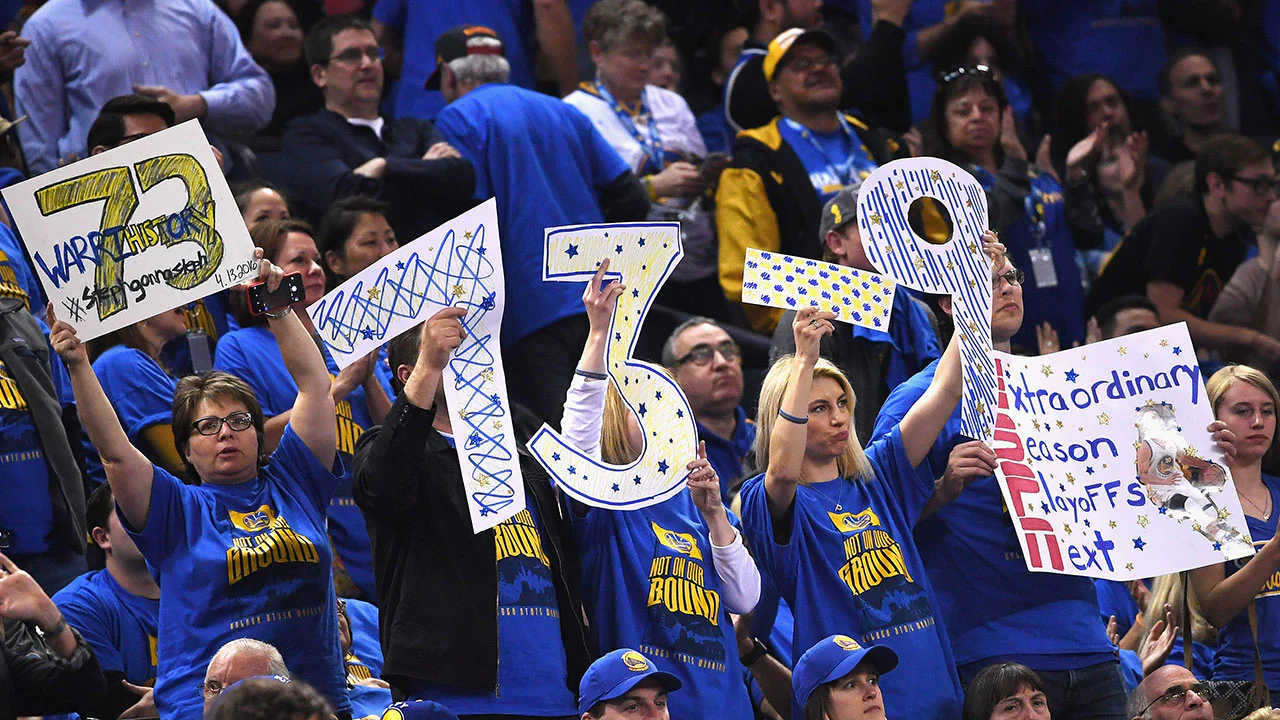
The Warriors were absurd. Golden State owns the better regular-season record (.890 vs .878) and were the more explosive offensive machine.
Points per game: Warriors 114.9 vs Bulls 105.2. Three-pointers made per game: Warriors 13.1 vs Bulls 6.6. Longest win streak: Warriors 24 vs Bulls 18.
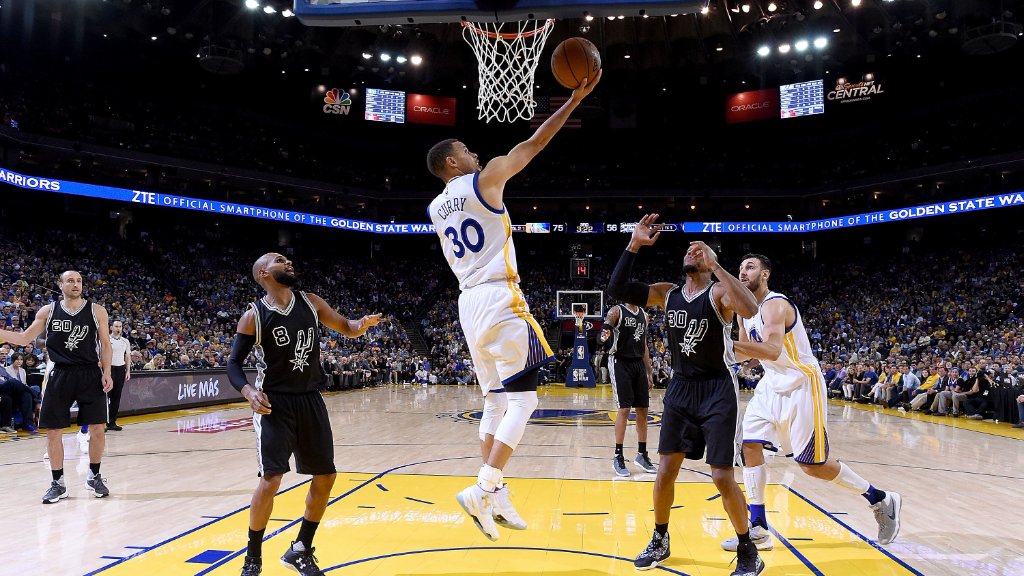
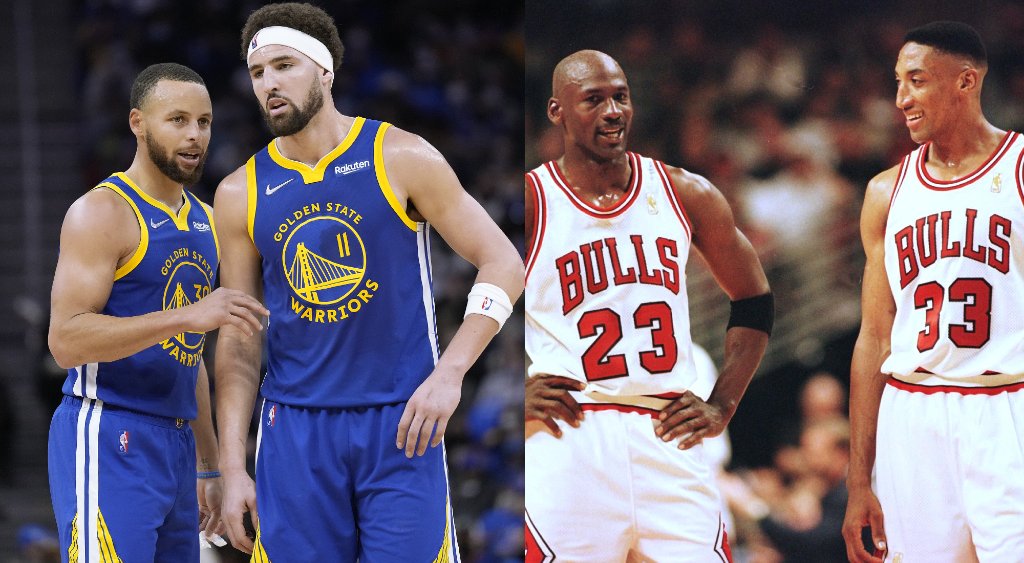
Golden State changed basketball. Steph Curry became the sport's most dangerous long-range weapon. Klay Thompson stretched defenses into panic mode. Draymond Green became the connective tissue of positionless offense. This was not just a great offense. It was a basketball revolution.
Regular season edge: Warriors.
But Era Matters
This is where lazy comparisons fail.
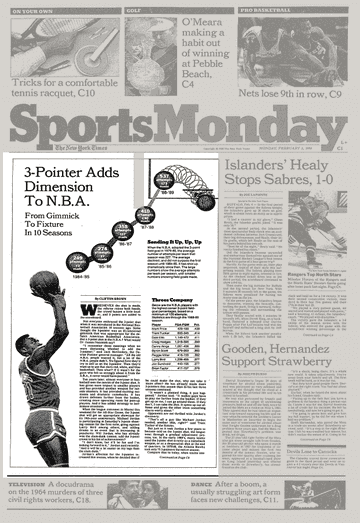
Comparing 1996 three-point shooting to 2016 straight up is flawed because the game itself changed.
The 1996 Bulls played in a league where offenses still relied heavily on post play, midrange scoring, and physical half-court basketball. Teams shot fewer threes not because they were unaware of their value, but because the league had not yet fully embraced the high-volume three-point philosophy that would emerge two decades later.
By 2016, the NBA had entered the peak of the three-point revolution. Teams increasingly built offenses around spacing, pace, and perimeter shooting. Organizations had become more aggressive in using analytics to maximize offensive efficiency, leading to a dramatic increase in three-point attempts across the league.
That does not mean the players of previous eras lacked understanding. It means they operated within a different basketball environment with different priorities, rules, and strategic philosophies.
When comparing teams across eras, context matters as much as the numbers themselves.
Relative Dominance
League scoring average in 1995-96 NBA was 99.5 PPG. Bulls scored 105.2 (+5.7 above average). League average in 2015-16 was 102.7 PPG. Warriors scored 114.9 (+12.2 above average). Huge Warriors edge offensively.
But on defense: Bulls allowed only 92.9 PPG - that is 6.6 points BETTER than league average. Monster. Warriors allowed 104.1 - much less dominant relative to their environment. This is where Chicago's case gets stronger.
Playoff Pressure Changes Everything
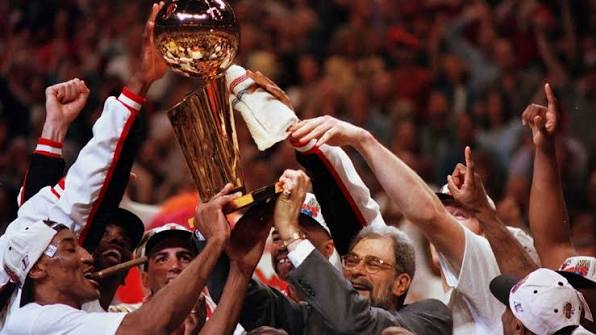
1996 Bulls: 15-3 in the playoffs (.833 win%) - 82-game equivalent of 68-14.
2016 Warriors: 15-9 in the playoffs (.625 win%) - 82-game equivalent of 51-31.
Read that again. Golden State went from 73-win all-time machine to the equivalent of a 51-win team under playoff pressure. That is a massive collapse. Meanwhile Chicago barely dipped. One stayed elite. One became mortal.
The Warriors Playoff Path
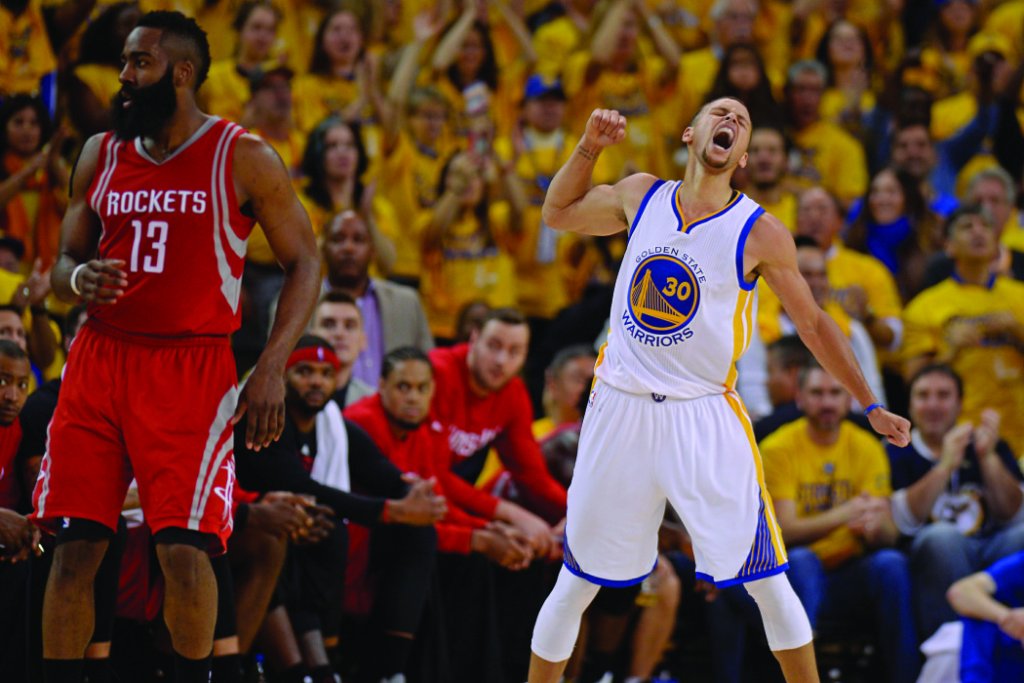
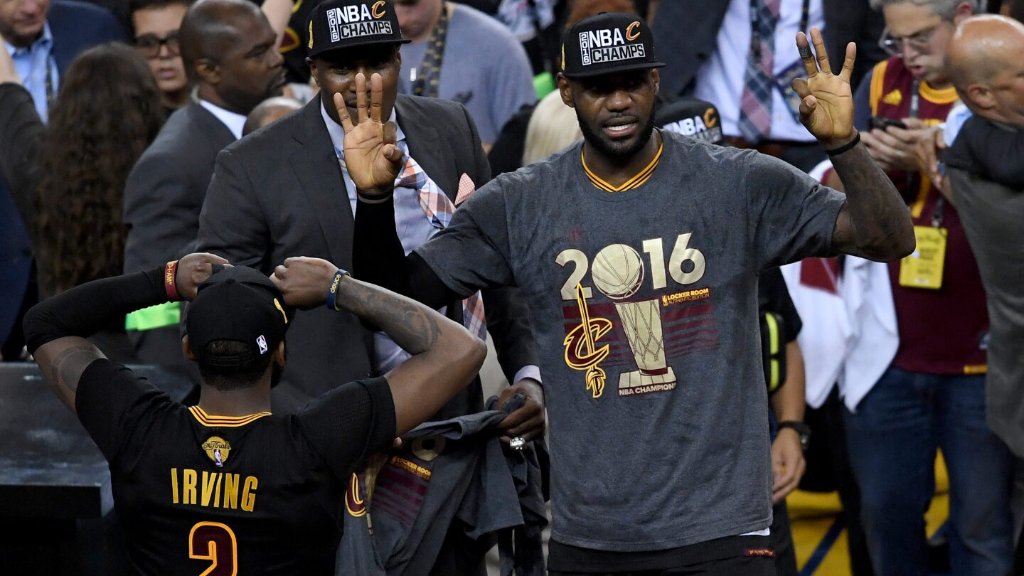
Golden State lost playoff games to Houston, Portland, Oklahoma City, and Cleveland - four teams. They were also down 3-1 against OKC in the Western Conference Finals, meaning the so-called greatest team ever was one loss from elimination before the Finals.
Then they went UP 3-1 in the NBA Finals. And blew it. One win away from immortality. Gone. That is one of the greatest collapses in NBA history.
Chicago's Playoff Path
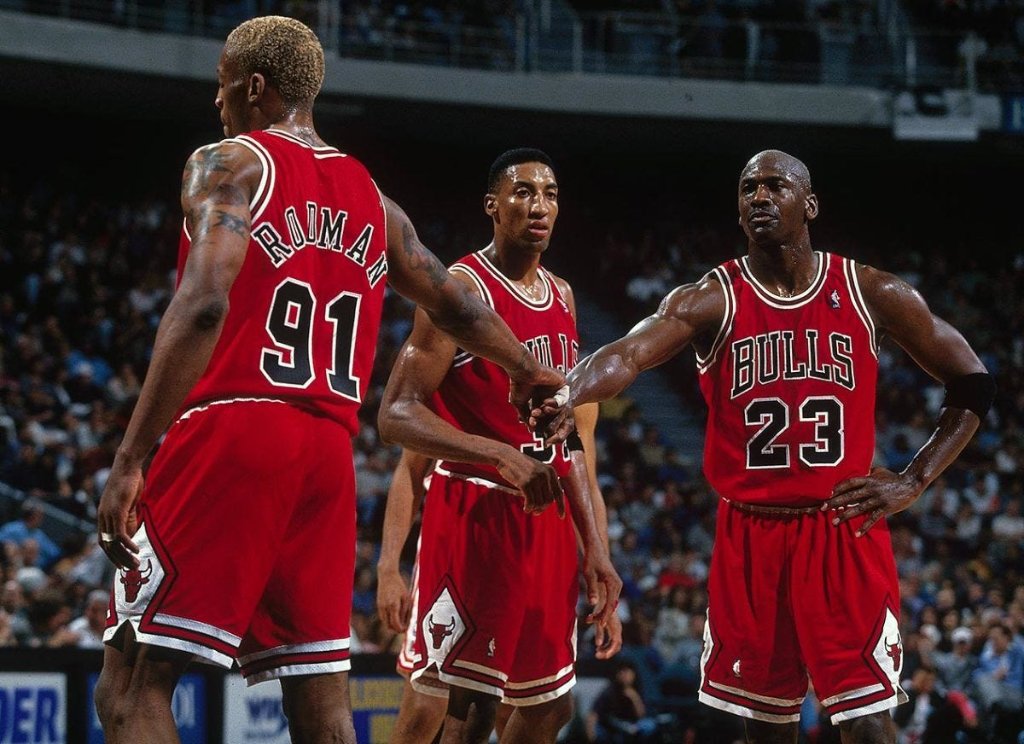
Round 1 vs Miami: 3-0 sweep. Round 2 vs Knicks: 4-1. ECF vs Orlando: 4-0 sweep. Finals vs Seattle: 4-2.
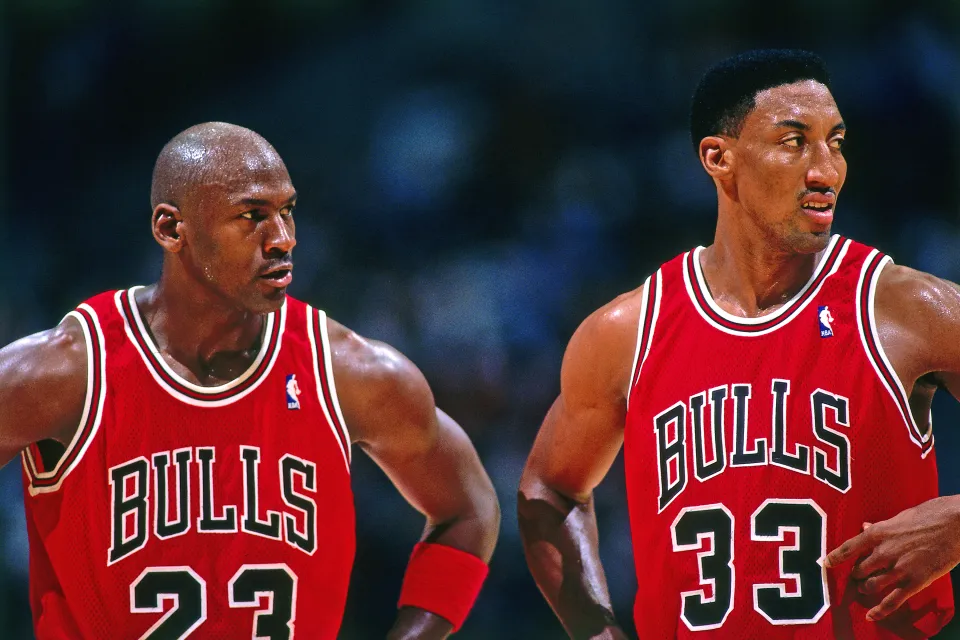
Two sweeps. 15 wins in 18 games. Never faced elimination. Never trailed in a series. That is championship control.
The Gary Payton Reality
Let's be fair. Gary Payton absolutely gave Michael Jordan problems. Chicago's toughest stretch came when Payton became Jordan's primary defender. Jordan's scoring efficiency dipped. Seattle grabbed back-to-back wins. That matters.
Payton was uniquely equipped: elite hand speed, physical strength, lateral quickness, defensive IQ, and relentless pressure. Jordan's usual advantage was his size-speed mismatch. Payton disrupted that formula.
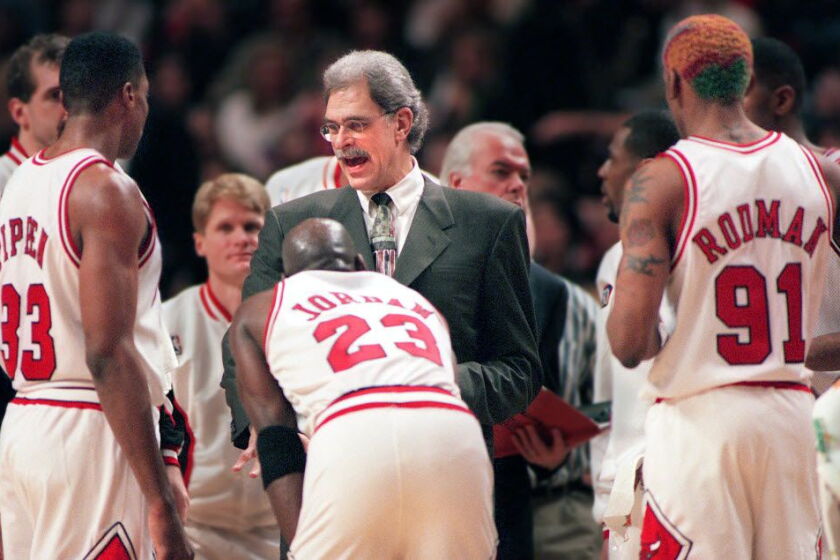
But basketball is not just scoring. Jordan still impacted winning through defensive pressure, rebounding, gravity, playmaking, and leadership. And Chicago still won the championship.
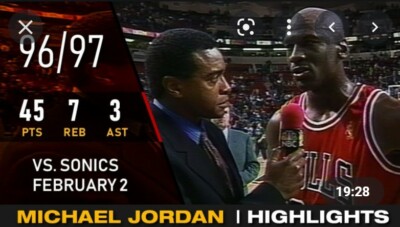
(Jordan fans will also quietly note that Michael may have remembered this experience because the following season he casually dropped 45 points on 19-for-28 shooting against Seattle. Totally unrelated, of course.)
The Superstar Pressure Test
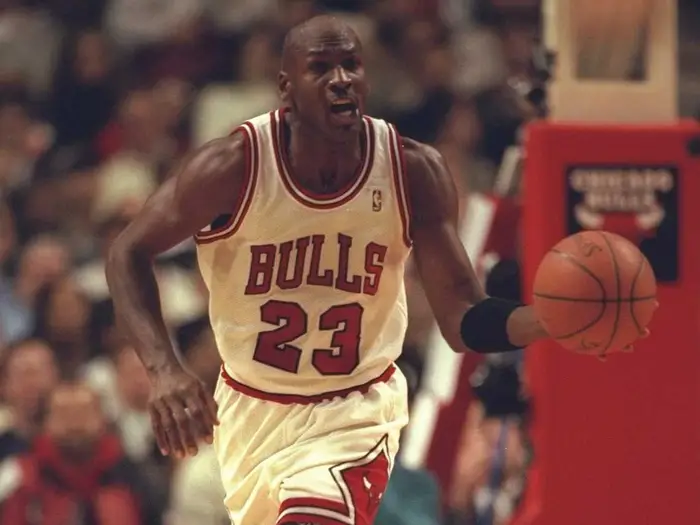
Michael Jordan: Regular season 30.4 PPG. Playoffs 30.7 PPG. No drop - actually improved.
Stephen Curry: Regular season 30.1 PPG. Playoffs 25.1 PPG. A five-point drop. And this was not just any MVP - this was the first unanimous MVP in NBA history.
Steph in the 2016 Finals: 22.6 PPG, 40.3% FG, 4.9 turnovers per game. Game 7? 17 points on 6-for-19 shooting.
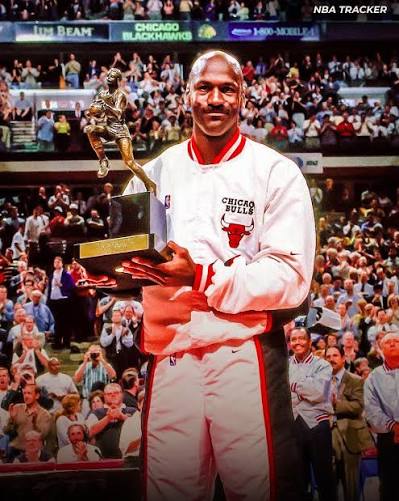
Jordan's 1996 Finals averages: 27.3 points, 5.3 rebounds, and 4.2 assists per game. He shot 41.5% from the field and 85.7% from the free-throw line.
Meanwhile Jordan? Finals MVP. Championship. Closed in six.
Final S3 Verdict
Better regular season: Warriors. Better offense: Warriors. Better shooting environment: Warriors. Better spacing: Warriors.
Better defense: Bulls. Better playoff composure: Bulls. Better championship execution: Bulls. Better superstar under pressure: Bulls. Greater complete season: Bulls.
The 2016 Warriors may own the greatest regular season ever. But the 1996 Bulls own the greater basketball season. Because greatness is not just about changing the game. It is about finishing the mission.
S3 VERDICT: 1996 CHICAGO BULLS