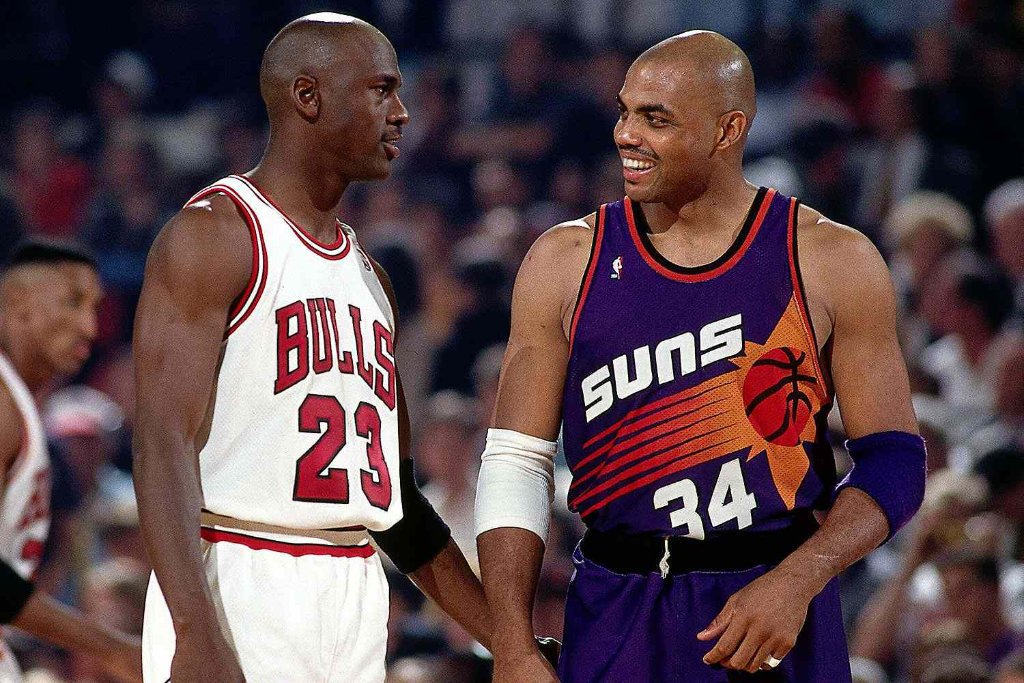
The reunion is real. Michael Jordan and Charles Barkley are, once again, on speaking terms - and for anyone who understands the code of elite competition, this matters more than it might seem.
This isn't nostalgia. It isn't a feel-good moment packaged for television. It's the quiet resolution of one of the longest and most unspoken tensions between two all-time greats who shared an era, a rivalry, and - once - a genuine friendship.
What Actually Happened
Barkley was vocal about Jordan's tenure as owner of the Charlotte Hornets. He didn't sugarcoat it. But according to Jordan, the issue wasn't the criticism itself - it was the silence that came before it.
A friend should give you the warning. A friend tells you privately before he tells the world publicly. That conversation never happened - and for a competitor wired the way Jordan is, that absence spoke louder than any broadcast take ever could.
Communication went dark. Years passed. And then, recently, they talked again. Cleared the air. Made plans to play golf.
In athlete language, golf is a peace treaty.
Why This Particular Rift Hit Different
This wasn't Jordan-vs.-the-media noise. This was peer-level criticism - and that's a different animal entirely.
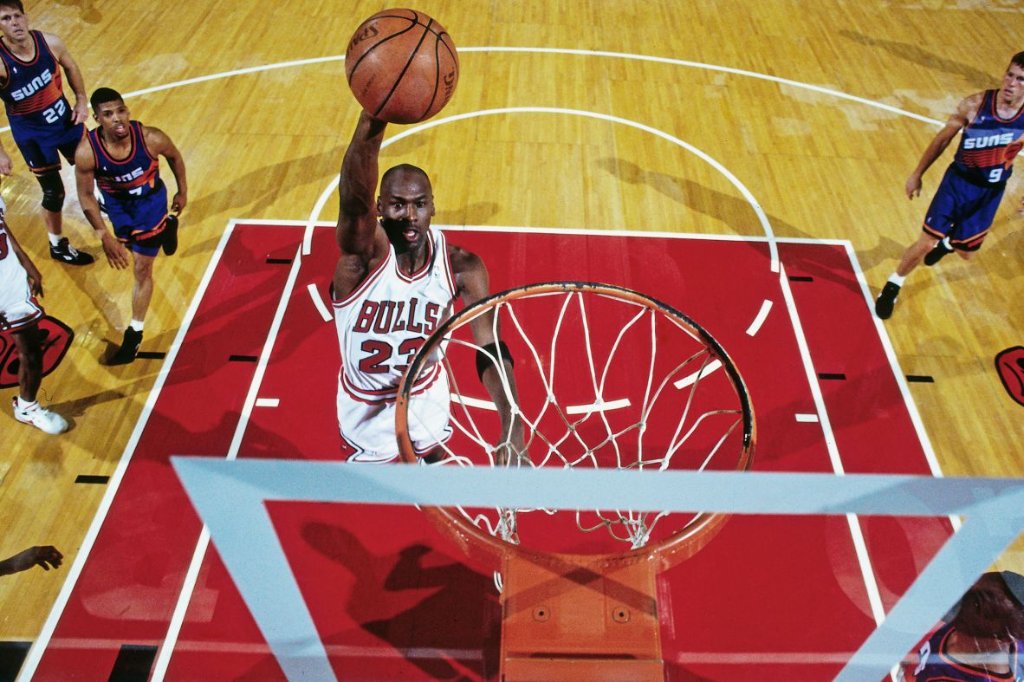
Barkley isn't some talking head. He's the same draft class (1984). He survived the same era. He went toe-to-toe with Jordan in the 1993 Finals - the one where Phoenix pushed Chicago to six games and Barkley won MVP that season. You don't forget playing against someone that deep in a playoff run. The respect built there was real and mutual.
So when Barkley lit into Jordan's ownership decisions on national television, it didn't land like a critic's take. It landed like a brother calling you out in public without a heads-up. That's a specific kind of hurt - one that doesn't fade quickly in competitive circles.
Jordan's Code
Jordan has always operated on a simple internal framework: beat me on the court, challenge me on the floor, question my game - fine. But don't blindside me. Don't skip the conversation and go straight to the broadcast.
That's where Barkley crossed the line. Not with the opinion. With the process.
And when you understand that, you understand why the silence lasted as long as it did.
Criticizing Ownership Is Not the Same
There's also a crucial distinction that gets lost in the noise: criticizing a player's performance is one thing. Criticizing an owner's decisions is something else entirely.
It questions judgment. Legacy. Intelligence. Stewardship. When Barkley went after the Hornets' front office moves, he wasn't critiquing a jump shot - he was questioning Michael Jordan's ability to lead at a different level. That cuts deeper. It lasts longer.
The Historical Bond That Makes This Bigger
Both men entered the league in 1984 - a draft class that defined an era. Jordan became synonymous with immediate, sustained dominance. Barkley was a different story: a force of nature carrying imperfect rosters, never quite getting the pieces around him to reach the summit.
Their 1993 Finals showdown remains one of the defining playoff series of the decade. Barkley had just won regular season MVP. Phoenix was dangerous. Jordan won - again - but the respect between them was never in question. Barkley never feared Jordan. Jordan respected that.
That's the foundation everything else was built on. And it's what makes the reconciliation feel significant rather than performative.
Why Now?
The answer is simple, and it's the same answer every time legendary competitors find their way back to each other: time.
Both men are in their sixties. At that point, the scoreboard changes. Ego becomes expensive. The legacy is already written - it cannot be edited, only contextualized. Relationships start to matter more than being right. And when you've watched peers and contemporaries pass away, perspective doesn't shift slowly. It shifts fast.
This wasn't a breakdown. Barkley himself has been clear about that - framing it as a pause, not a rupture. Unlike the kind of royal-family estrangements that play out in public and become their own narrative, this was two men who knew each other, lost the thread, and eventually found it again.
What This Actually Means
Legends are built by human beings. And GOAT-tier competitors - no matter how mythologized - deal with the same things everyone else does: hurt feelings, miscommunication, and pride that doesn't bend easily.
In elite circles, criticizing someone without warning isn't just a social misstep. It's a form of betrayal. That's the real story here. Not the feud. Not the golf game. The code that governs how the best competitors in the world relate to each other.
Time doesn't lose. Not to Jordan. Not to Barkley. Not to anyone. Eventually, it demands either reconciliation or regret. They chose reconciliation.
Two all-time competitors. A broken line. A decade of silence. And now - a tee time.
That's not just making peace.
That's legacy maturity.