
S³ | NFL WEEK 5
There is a time to gamble in football. There is also a time to take the points, trust your defense and understand that a football game lasts 60 minutes.
The Indianapolis Colts learned that lesson the hard way Sunday afternoon in Pittsburgh.
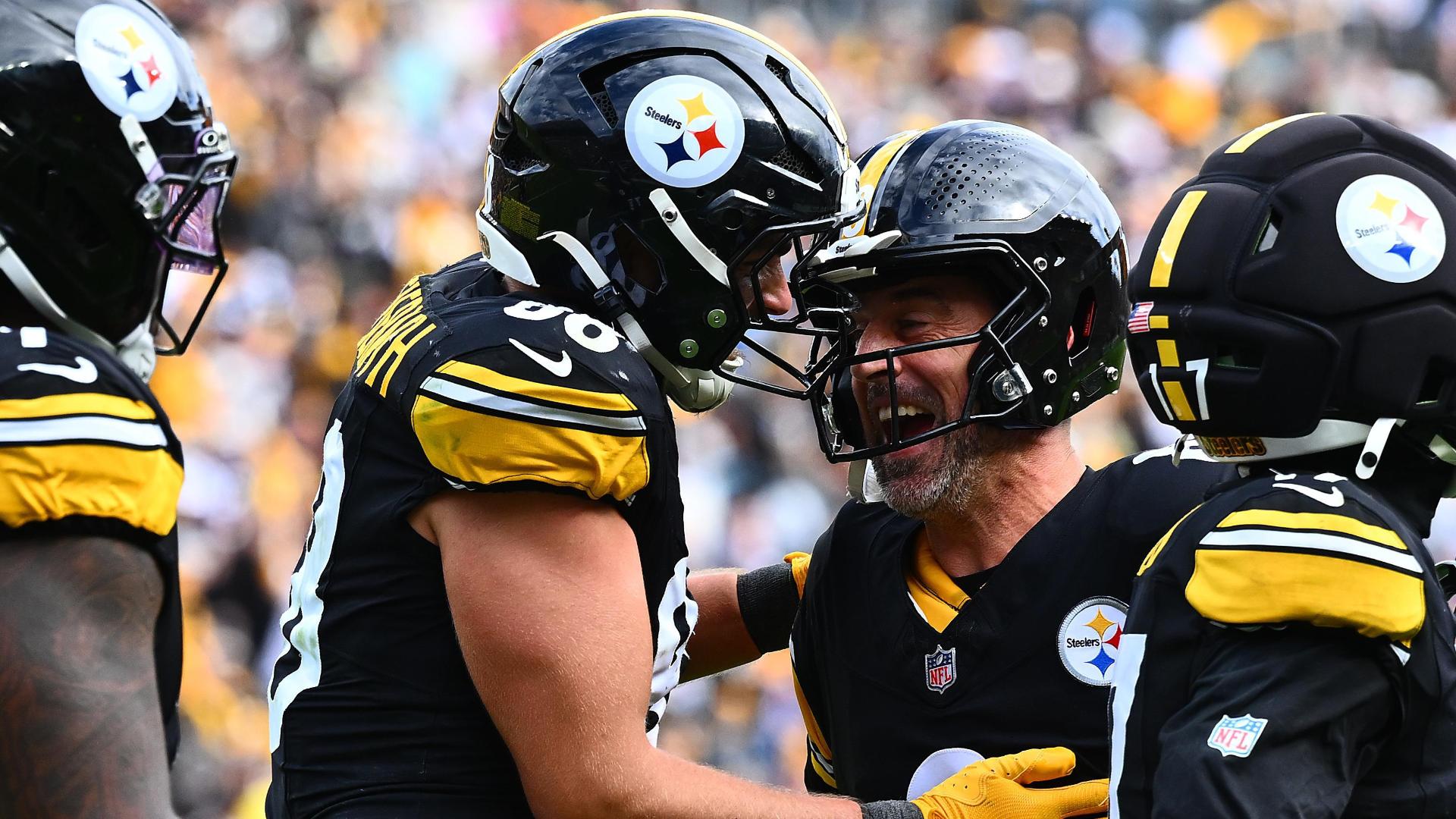
Aaron Rodgers delivered an efficient three-touchdown performance, the Steelers capitalized on their opportunities, and Indianapolis fell 34–22 in a game that raised questions about the Colts' situational decision-making.
The final score tells one story. The points Indianapolis potentially left on the field tell another.
The Fourth-Down Problem
Modern NFL coaching has become increasingly aggressive on fourth down. Analytics have encouraged teams to extend possessions rather than settle for field goals.
There is merit to that philosophy. But aggression must be balanced against game circumstances.
Indianapolis had a kicker in Spencer Shrader who had already converted field goals from 57 and 56 yards. Yet the Colts passed up other scoring opportunities, attempting fourth-down conversions rather than accumulating points.
Two potential field goals represented six points.
Those six points became increasingly important as the game progressed.
The issue wasn't simply that Indianapolis failed to convert. It was that the Colts repeatedly placed themselves in situations where they needed touchdowns instead of allowing the scoreboard to work in their favor.
You don't have to play cardiac-kids football in the first three quarters.
Six Points Can Change Everything
Consider how the fourth quarter unfolded.
Pittsburgh led 31–22 with 6:35 remaining. Indianapolis received possession, ran eight plays, gained just four net yards and surrendered the football on downs.
The Steelers subsequently moved into field-goal range.
With 3:43 remaining, Chris Boswell converted a 54-yard attempt, extending Pittsburgh's advantage to 34–22.
Indianapolis now needed two touchdowns to win.
But consider the alternative.
Had Indianapolis successfully converted the two earlier field-goal opportunities, and had subsequent scoring remained unchanged, the fourth-quarter scoreboard could have looked considerably different.
| Situation | Actual | Hypothetical |
|---|---|---|
| Pittsburgh leads | 31–22 | 31–28 |
| Boswell converts FG | 34–22 | 34–28 |
| Colts' final possession | Down 12 | Down 6 |
| Points needed to take lead | 13 | 7 |
That is an enormous strategic difference.
Instead of needing two scoring possessions, Indianapolis could have been playing for one touchdown and an extra point.
Of course, football doesn't unfold identically when earlier decisions change. But the comparison illustrates the cumulative value of taking available points.
The Final Possession: Why Indianapolis Went for It
With approximately three minutes remaining, Daniel Jones moved Indianapolis into Pittsburgh territory.
The Colts eventually faced fourth-and-15 at the Steelers' 46-yard line with 2:41 remaining.
Jones attempted a short pass to Keenan Allen. The pass fell incomplete.
Pittsburgh took possession and closed out the victory.
It's understandable why Indianapolis went for it in that situation.
The Colts had exhausted their timeouts, and a field-goal attempt from that distance would have required approximately 63 yards. Surrendering possession could effectively end the game.
But football is unpredictable.
An onside kick, defensive takeaway, unexpected mistake or successful fourth-down conversion can change a game in seconds.
The larger criticism isn't necessarily Indianapolis' final fourth-down decision.
It's the earlier decisions that contributed to making that final possession so desperate.
Rodgers Delivers for Pittsburgh
While Indianapolis struggled to maximize its scoring opportunities, Aaron Rodgers demonstrated why veteran quarterback play remains valuable.
The victory marked Aaron Rodgers' 166th career regular-season win as a starting quarterback, moving him past Steelers legend Ben Roethlisberger's 165 into sole possession of fifth place on the NFL's all-time list.
Through the late-fourth-quarter statistical snapshot, Rodgers had completed 21 of 30 passes for 228 yards, three touchdowns and no interceptions, producing a 125.4 passer rating.
Rodgers didn't need spectacular passing volume to control the contest.
He distributed the football effectively, protected possession and capitalized when Pittsburgh reached scoring territory.
Jaylen Warren contributed an 80-yard touchdown reception, while Pat Freiermuth caught two touchdown passes.
Pittsburgh also received another valuable contribution from Boswell, whose late 54-yard field goal effectively forced Indianapolis into desperation mode.
The Steelers weren't perfect offensively, but they demonstrated the importance of converting opportunities into points.
S³ Final Assessment
The Colts' loss raises a larger question about the direction of modern NFL coaching.
Have some coaches become so committed to fourth-down aggression that they are overlooking the value of traditional situational football?
Analytics are important. Expected points matter. But so do personnel, game flow, opponent tendencies, field position and the scoreboard.
There is nothing inherently conservative about kicking a field goal.
Sometimes taking three points is the decision that puts your team in position to win with seven later.
Indianapolis had opportunities to manage this contest differently. Pittsburgh took advantage, and Rodgers delivered another strong performance.
S³ FINAL WORD
You have 60 minutes to win a football game. Stop treating every fourth down in the first three quarters like you're trailing by seven with three minutes remaining.
Take your points. Trust your team. Give yourself a chance to win in the fourth quarter.