There comes a moment in certain fights when the atmosphere changes.
Early in the night, the crowd cheers every exchange. Fans rise for knockdowns. Commentators praise toughness. Social media calls it a war. Everybody loves the madness.
Then the fight keeps going.
The punches start landing cleaner. The fighter begins walking slower. His face changes shape. His breathing becomes heavier. The body language shifts from confidence to survival.
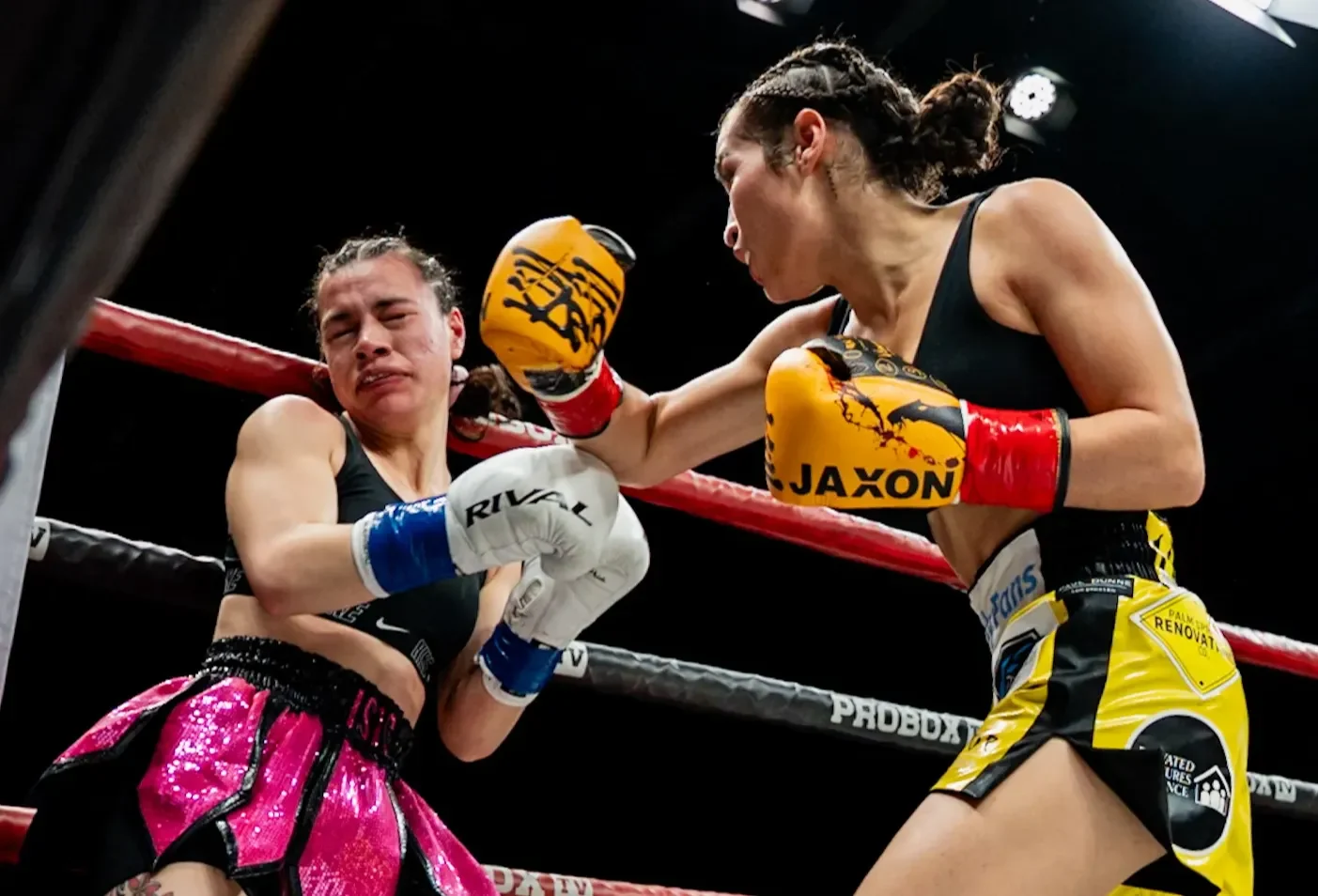
That is the moment combat sports stop feeling like entertainment and start feeling dangerous.
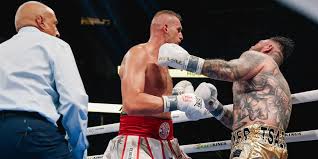
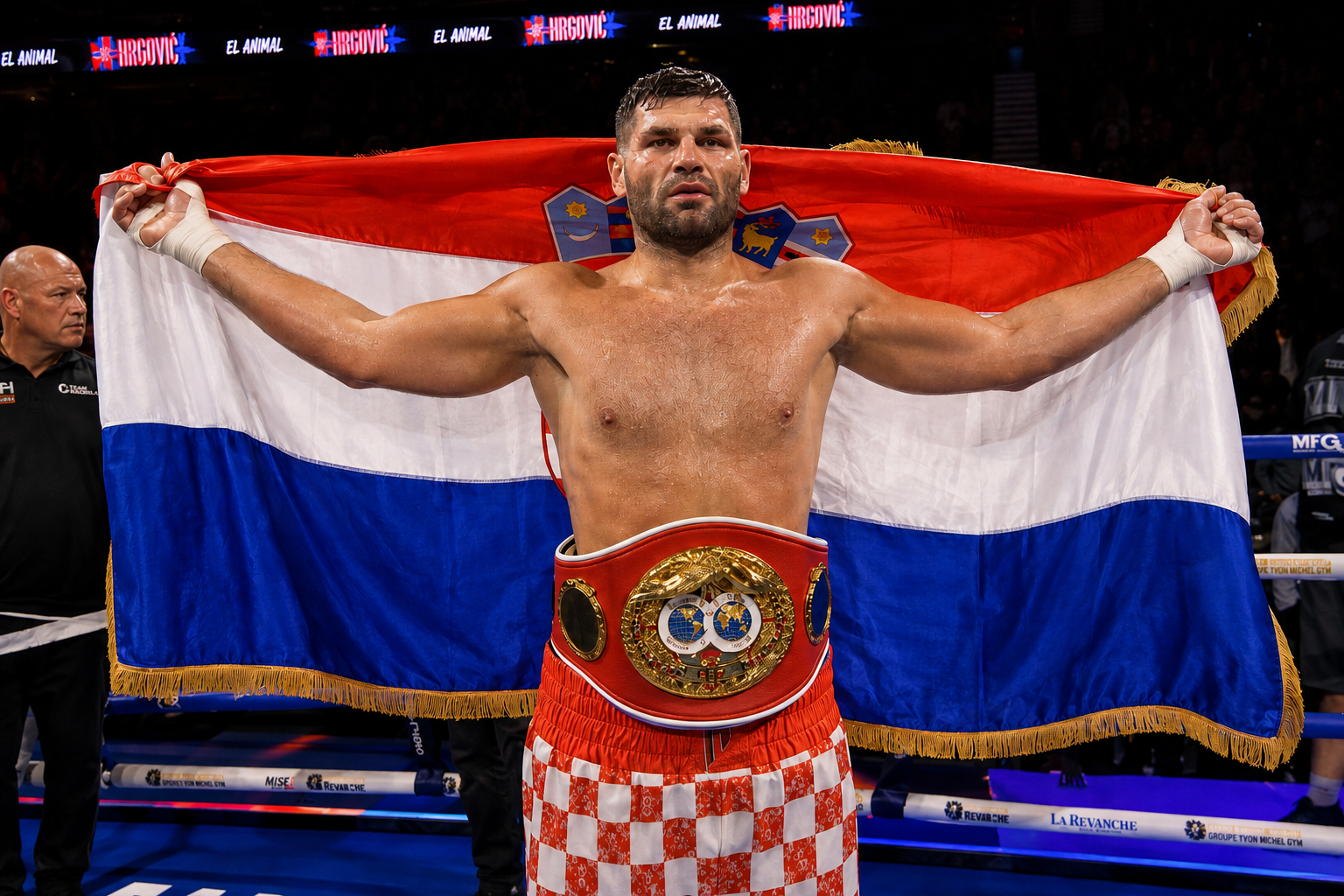
The recent heavyweight battle between Daniel Dubois and Fabio Wardley showed both sides of boxing at once. The courage. The violence. The warrior spirit. The physical breakdown.
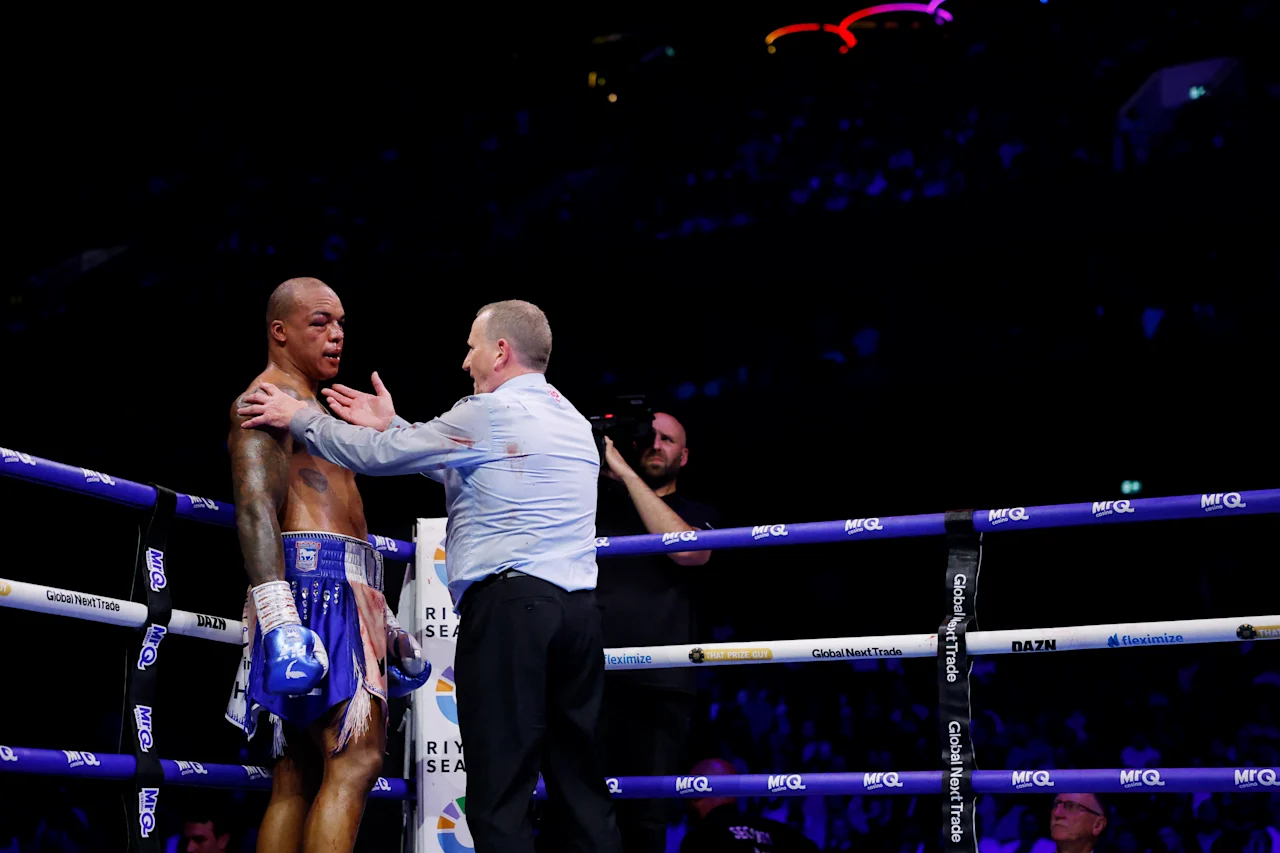
By the later rounds, Wardley was visibly compromised. His movement slowed. The damage to his face became severe. His breathing appeared labored. What fans often forget is that late in fights, a boxer is not only battling punches. He is battling exhaustion, dehydration, adrenaline collapse, and oxygen depletion at the same time.
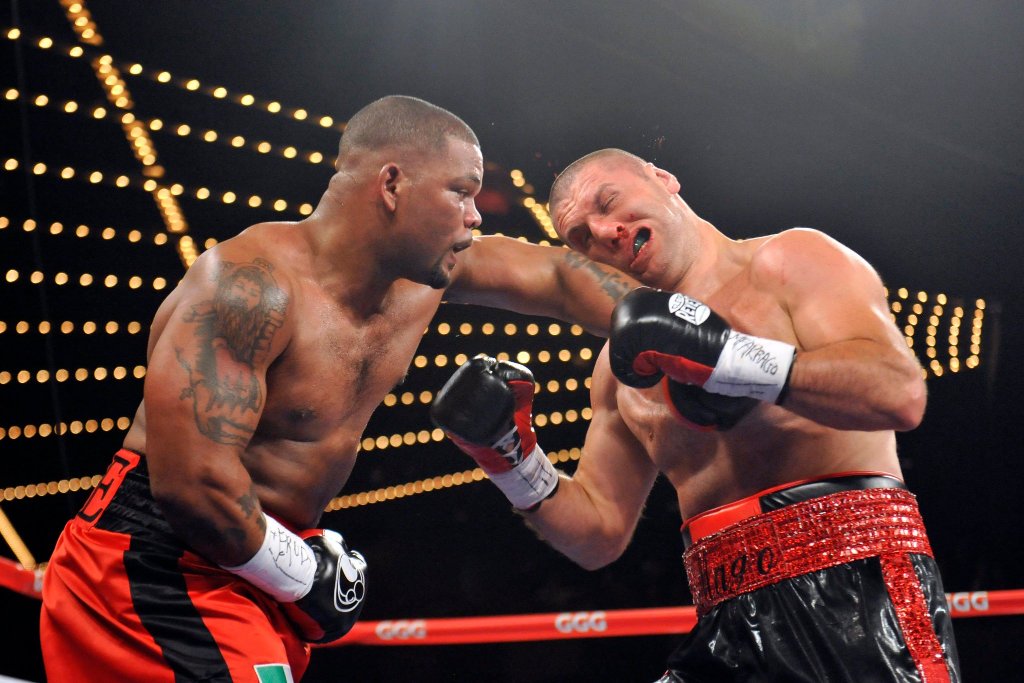
A damaged nose alone can become dangerous in a heavyweight fight. Fighters require massive oxygen output. When breathing becomes compromised and fatigue sets in, reaction time begins to disappear. The legs grow heavy. Punches become harder to avoid. Recovery between exchanges becomes slower.
That is when accumulated punishment becomes terrifying.
Most people think the most dangerous punch is the knockout shot. In reality, some of the worst damage in combat sports comes from repeated unanswered blows absorbed by a fighter who is too exhausted to properly defend himself anymore.
And this is where combat sports become psychologically complicated.
Fans love the warrior mentality. They praise fighters for "going out on their shield." The culture celebrates toughness, refusal to quit, and surviving punishment. Those moments become legendary highlights replayed for decades.
But there is another side to that mythology.
The same mentality that creates legendary moments can also destroy fighters physically over time.
A fighter's pride tells him to continue. The crowd rewards him for continuing. The moment becomes bigger because he continues. Yet the body and brain may already be reaching dangerous territory.
This is why referees and trainers carry enormous responsibility.
A fight should not only be stopped when a fighter is unconscious. It should be stopped when the fighter can no longer intelligently defend himself. Delayed reactions, unstable legs, inability to avoid punches, deteriorating awareness, and visible physical collapse are all warning signs.
The difficult reality is that fighters are often too brave for their own protection.
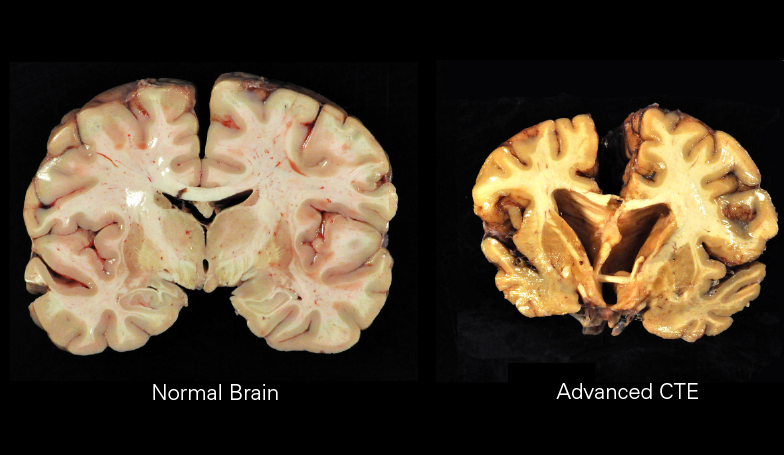
Some of the greatest wars in boxing history also became cautionary tales. Combat sports have seen fighters suffer long-term neurological damage, speech deterioration, memory loss, and in some tragic cases, death. The public celebrates the battle on Saturday night, but the fighter may live with the consequences for decades afterward.
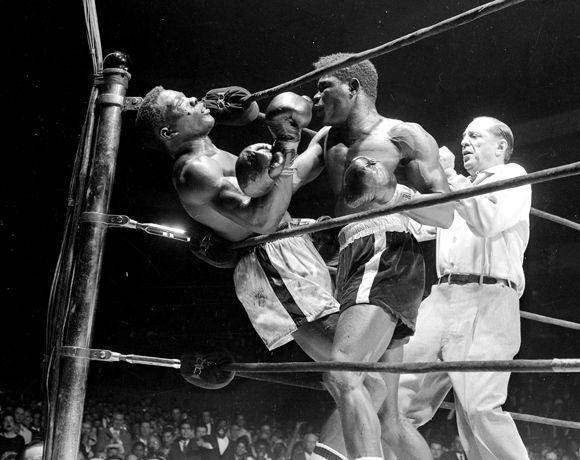
And yet fans continue watching.
Why?
Because combat sports tap into something primal. Survival. Dominance. Fear. Courage. Violence. Human endurance pushed to the limit. Few forms of entertainment create the emotional tension of two exhausted fighters refusing to surrender under pressure.
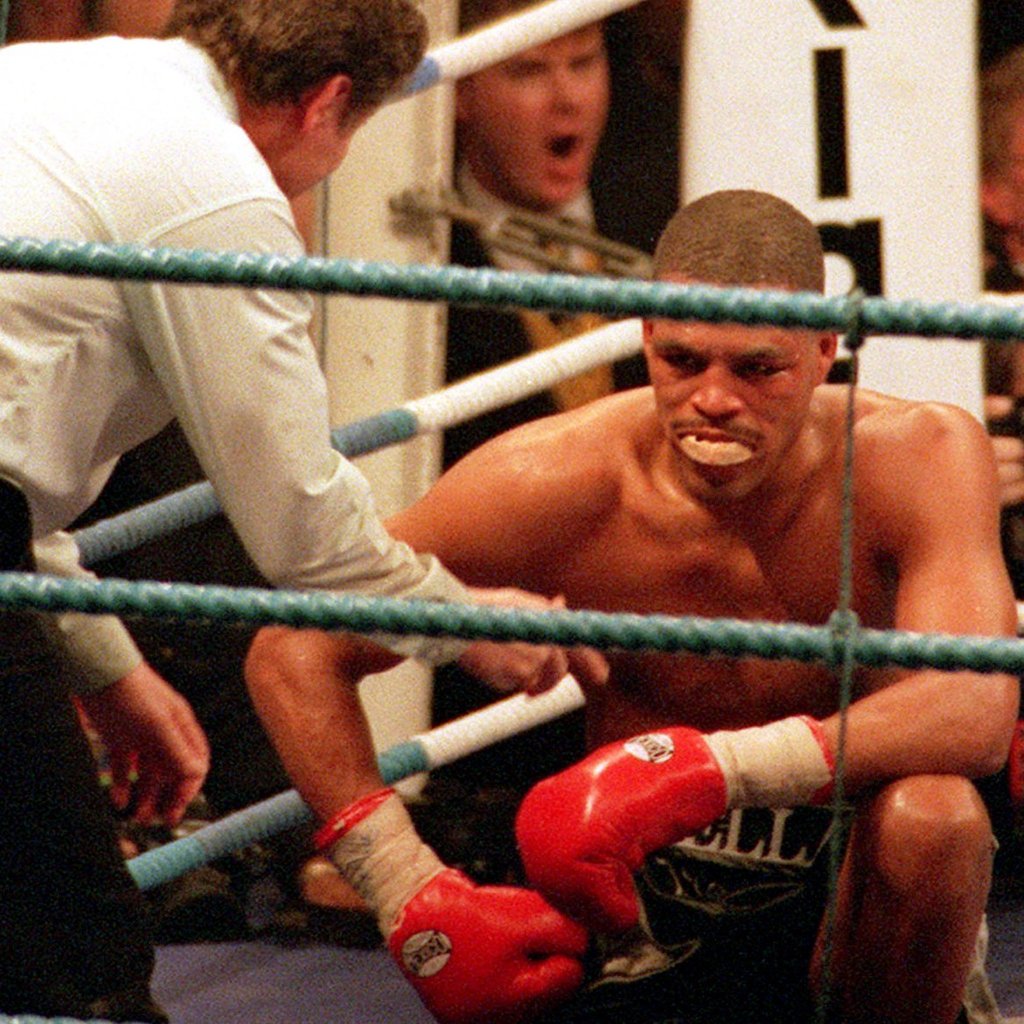
That contradiction is what makes combat sports both beautiful and unsettling.
Fans love the madness until the madness begins looking too real.
That is the line every referee, trainer, and viewer eventually has to confront.