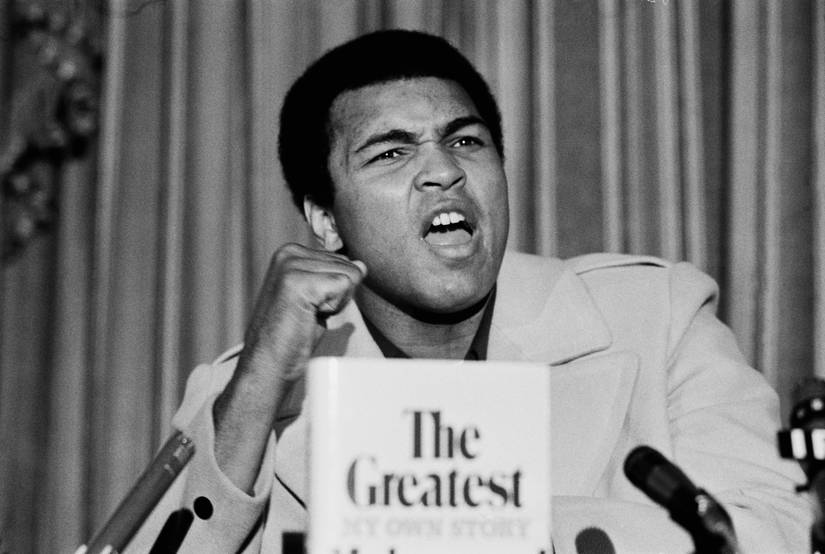

For years, boxing has operated in a space where chaos isn't just common - it's structural. The Muhammad Ali Act was supposed to change that. Instead, many within the sport believe it has become more symbolic than functional.
The Promise vs. The Reality
The Ali Act was designed to protect fighters from exploitation - specifically from promoters controlling both the business and competitive sides of boxing. At its core, the law aimed to ensure:
- Financial transparency
- Fair rankings and title opportunities
- Protection from coercive contracts
On paper, it was a landmark reform. In reality? Enforcement has been inconsistent at best - and ignored at worst.
A System That Still Operates in the Shadows
Boxing remains one of the only major sports without a centralized governing structure. Instead, power is split across:
- Promoters
- Sanctioning bodies
- Networks
This fragmentation creates loopholes - and those loopholes often override the intent of the Ali Act.
Fighters are still navigating:
- Conflicts of interest
- Unclear financial disclosures
- Politically influenced rankings
The very issues the law was meant to eliminate.
Sanctioning Bodies vs. True Authority
The rise of multiple sanctioning bodies has further blurred accountability. Organizations like the:
- World Boxing Association
- World Boxing Council
- International Boxing Federation
- World Boxing Organization
…operate with their own rules, rankings, and mandatory obligations. This creates a system where a fighter can lose a title outside the ring, a fight can be labeled unsanctioned despite elite competition, and business decisions outweigh competitive merit. Sound familiar? That's because the system isn't broken by accident - it's built this way.
The Enforcement Problem
The biggest issue isn't the law itself. It's enforcement. The Ali Act lacks:
- A centralized authority to enforce compliance
- Consistent penalties for violations
- Oversight strong enough to challenge powerful promoters
Without enforcement, regulation becomes optional. And in boxing - optional rules don't last.
Can Boxing Be Fixed Without Killing Its Identity?
Here's the real question: Can you organize boxing without destroying what makes it unique? Because unlike the NFL or NBA, boxing thrives on independence, cross-promotional matchups, and multiple champions. The goal isn't to eliminate sanctioning bodies. The goal is to organize the madness.
A modern solution could include:
- A unified ranking system across all sanctioning bodies
- Transparent purse disclosures enforced before fights
- A governing council overseeing disputes and violations
Not control - structure.
The Bottom Line
Boxing has always walked the line between brilliance and disorder. The Muhammad Ali Act was supposed to bring balance. Instead, it exposed a deeper truth: You can't fix boxing with rules alone. You need enforcement, alignment, and accountability.
Until then… the sport will continue to operate in chaos - where champions are crowned in the ring, but power is decided outside of it.