By Sweet Science Sports
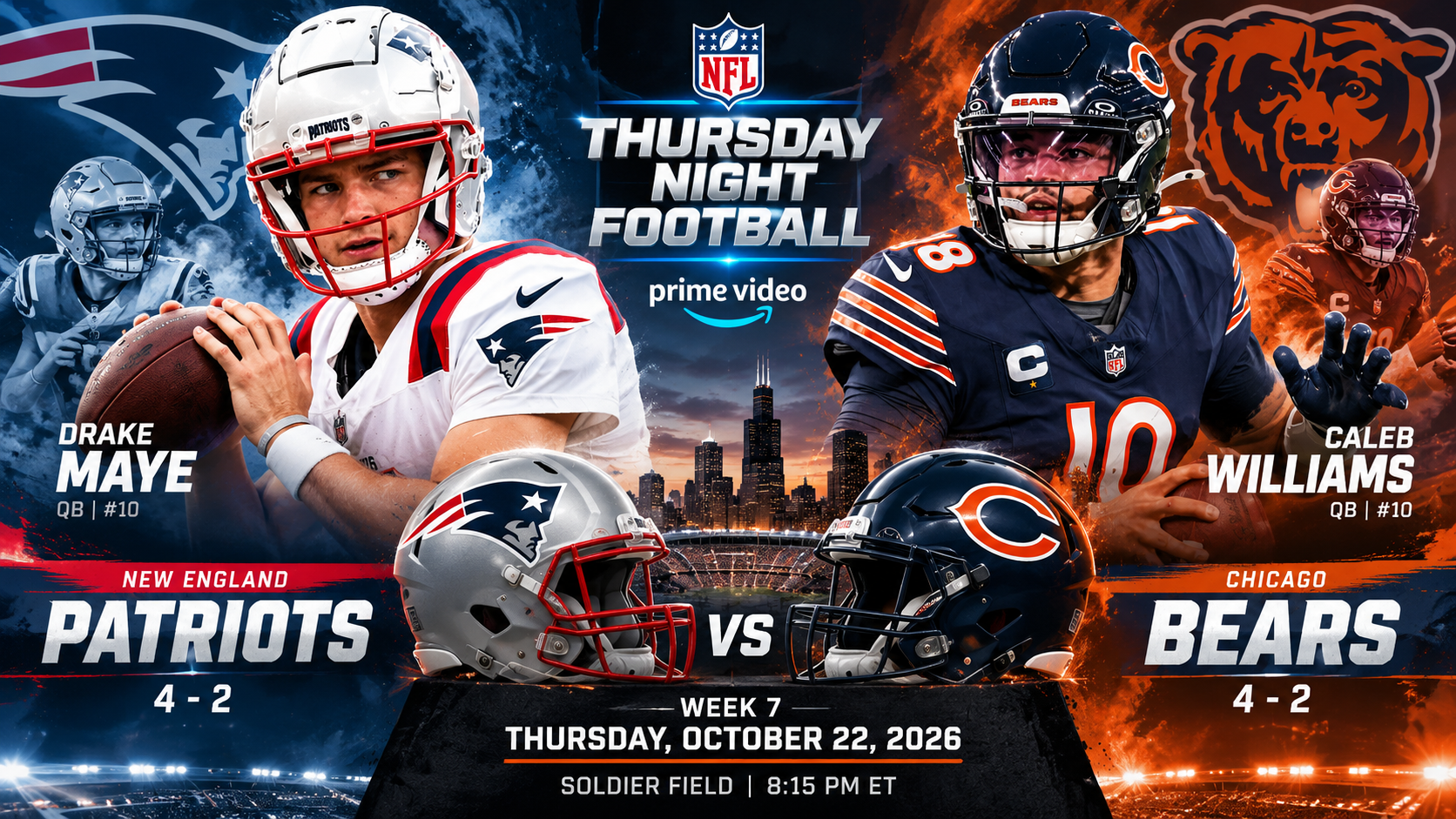
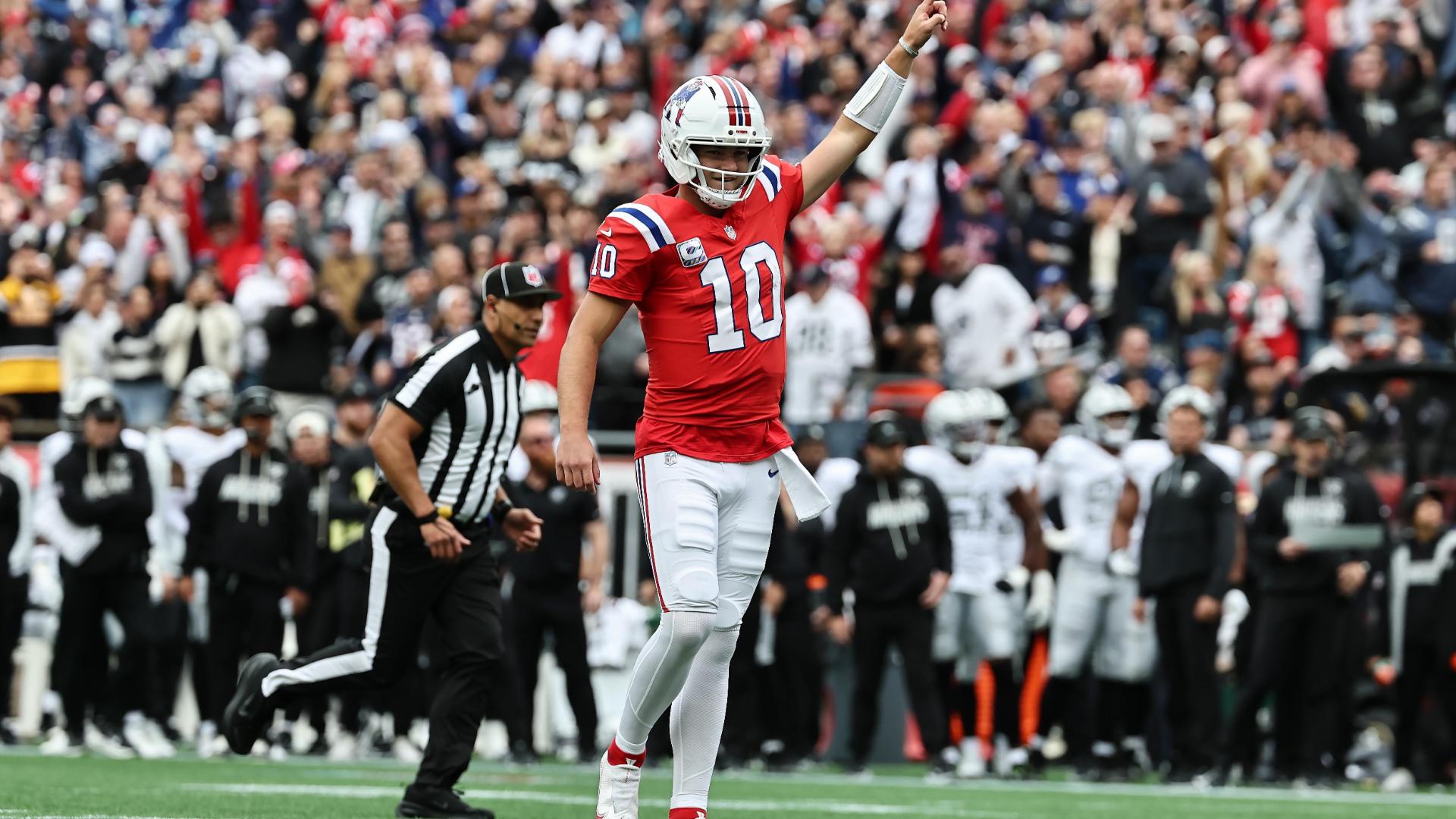
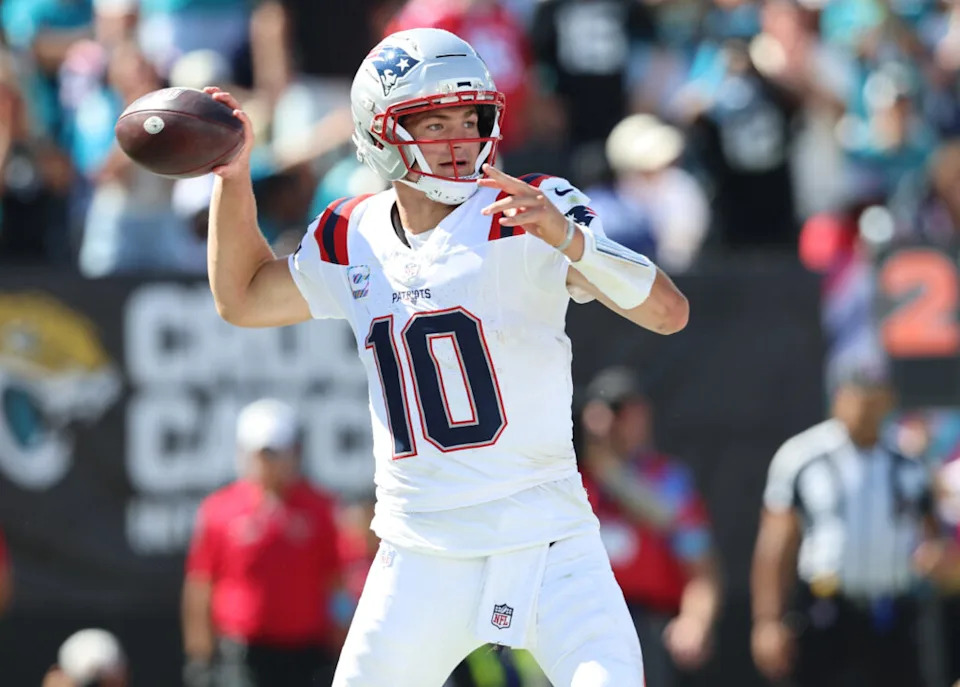
In just Drake Maye's 2nd season as the New England starter he became an MVP candidate and would lead his team to the Super Bowl.
Quarterbacks are usually evaluated by arm strength, size, and production. Drake Maye's story starts somewhere deeper. His development was shaped inside a household where competition was not optional. It was daily life.
Maye grew up in a family where sports excellence was normal. His father, Mark Maye, was a respected quarterback talent in North Carolina before a shoulder injury changed his trajectory. His mother brought a basketball background from UNC, adding another layer of athletic discipline to the household. Sports were not treated as hobbies. They were treated as standards.
That environment only intensified because of his brothers. Each one was a high level athlete. Luke Maye became a standout basketball player at North Carolina. Cole Maye won a national championship as a pitcher. Bo Maye competed at a high level in college basketball. Drake was the youngest. Early on, he was also the smallest. That mattered.
Being the youngest meant he had to fight for space. Fight for attention. Fight to prove he belonged in rooms where high level athletic success was already the expectation. That pressure built something important. Competitive tolerance. The ability to perform without needing comfort.
That internal drive showed up at Meyers Park High School. Maye became a two year starter and produced elite numbers, throwing for nearly 7,000 yards and 86 touchdowns. He was not just winning games. He was proving he could lead offenses and control tempo. Recruiting followed naturally. He rose into five star territory and became one of the top quarterback prospects in the country.
Originally, the path pointed toward Alabama. The prestige was obvious. The development track was proven. But recruiting is not just about football. It is about identity. When North Carolina and Mack Brown made their pitch, it centered around family legacy, home state loyalty, and the opportunity to build something that belonged to him. The presence of an established quarterback room at Alabama also mattered. Maye chose the path where he could lead sooner and build his own story.
At North Carolina, the results came fast. Maye became one of the most productive quarterbacks in college football. He led high powered offenses, showed dual threat ability, and most importantly, proved he could handle responsibility. He was not just putting up numbers. He was controlling games.
That foundation translated directly into the NFL.
Quarterbacks who grow up in high pressure competitive environments often process faster. They recover from mistakes faster. They lead veteran locker rooms more naturally. Maye showed signs of that early in his professional development. His ability to stay composed, absorb coaching, and adjust week to week is not accidental. It was trained into him long before he reached the league.
In New England, that background fits perfectly. The Patriots culture has always valued accountability, toughness, and mental discipline. Maye's upbringing mirrors those values. He is comfortable being evaluated. Comfortable being pushed. Comfortable carrying responsibility.
This is why Maye's rise feels sustainable instead of temporary. He is not built purely on physical tools. He is built on competitive identity. Quarterbacks built that way tend to last longer. They tend to stabilize franchises instead of flashing and fading.
Drake Maye's story is not just about talent. It is about environment, pressure, and preparation meeting opportunity at the right time. Some players are developed. Some are forged. Maye looks like the second type.
And in the modern NFL, that difference can define championships.
Sweet Science Sports - Where Intelligence Meets Impact