
By Sweet Science Sports
Editor's Note - While this article ultimately identifies the Minnesota Vikings as the best stylistic and roster fit for Aaron Rodgers, the Atlanta Falcons must be acknowledged as an excellent alternative landing spot. Atlanta currently offers a very strong defensive foundation, high-end offensive weapons at Tight End and Running Back, and a favorable divisional landscape inside the NFC South. Nevertheless, Atlanta's quarterback room - with Kirk Cousins and Michael Penix Jr. - creates a different organizational timeline. Minnesota presents a more direct plug-in competitive window and stylistically aligns more closely with Rodgers' late-career strengths.
At this stage of his career, Aaron Rodgers is no longer choosing between good teams. He's choosing between carry situations, plug-in championship environments. And when you stack everything - stats, roster construction, defense quality, indoor schedule, weapons, and offensive context - one team keeps rising to the top:
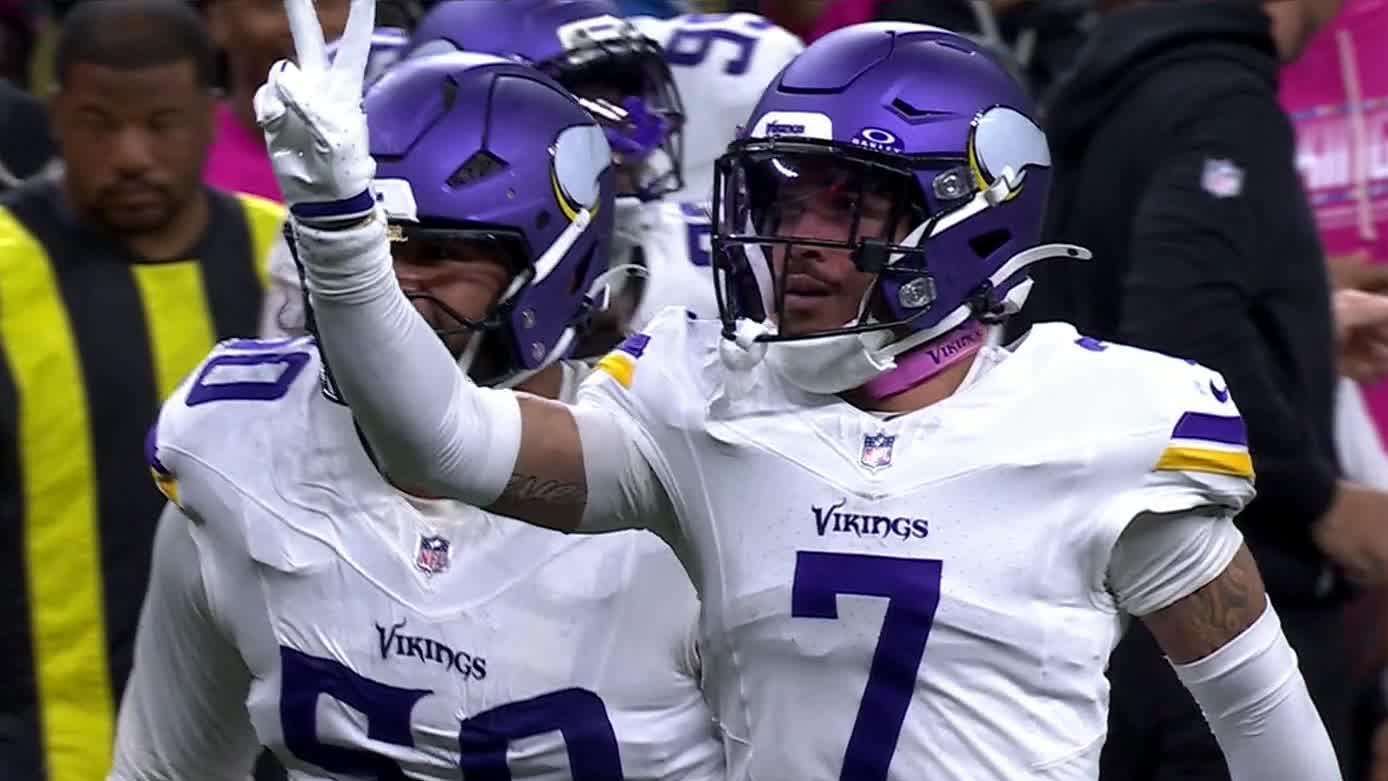
Minnesota Vikings
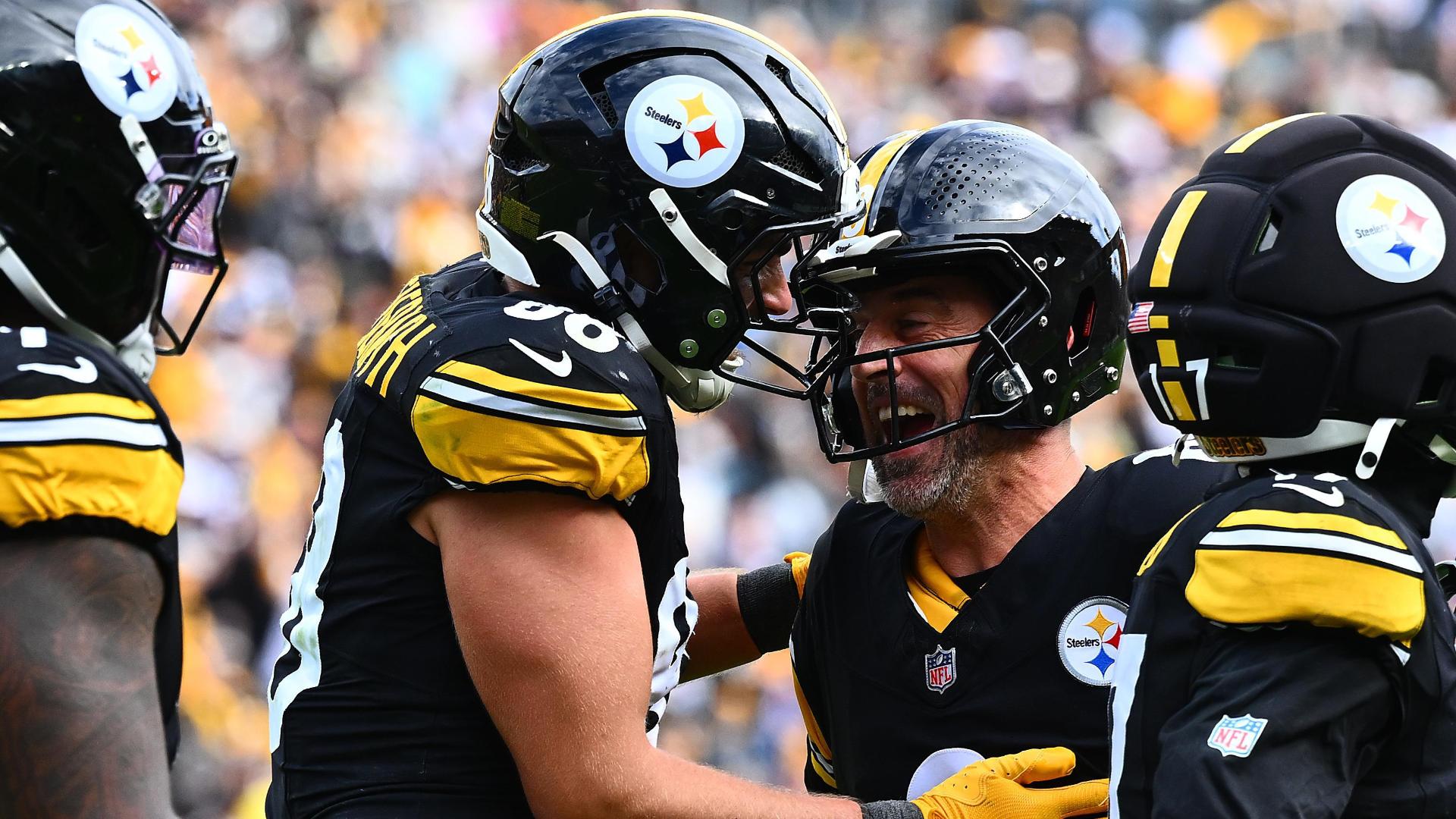
Aaron Rodgers led the Pittsburgh Steelers to a 10-7 record and an AFC North Title. But the question isn't whether Rodgers can gut it out - it's whether he can win a championship.

The Career Phase Rodgers Is In Now
Rodgers doesn't need a rebuild, system learning curve chaos, or weekly "save the offense" expectations. He needs: defense that keeps games controlled, weapons that create separation fast, scheme intelligence, protection that is functional enough, and an environment that preserves late-career efficiency. That is late-career championship QB math.
The Vikings Defense Is Already Championship-Level
Minnesota recently showed top-tier total defense metrics, strong scoring defense range, and the ability to keep games within one-score margins. That matters because elite veteran QBs win late when they don't have to score 30 points weekly.
Why Minnesota's Offensive Rankings Were Misleading
Minnesota's offense ranked bottom tier in yardage and scoring range - but context matters. They had QB instability, offensive rhythm disruption, predictable play calling, and defenses loading run looks. And still they won approximately 9 games and stayed competitive in a brutal division. That is the definition of a QB-away roster.
Vikings Skill Weapons Fit Rodgers' Style Perfectly

Justin Jefferson - Coverage dictator WR/1
Jordan Addison - Route precision WR/2
Aaron Jones - Pass game RB intelligence
Depth speed + spacing WRs
This is extremely important for Rodgers because he wins with pre-snap reads, timing throws, route trust, and leverage exploitation. You can make a real argument this is a Top-5 ceiling receiving ecosystem depending on season health and production.
The Offensive Line Question (And Why Context Matters)
If Minnesota's OL is ranking near bottom tiers, that can be a concern - but OL rankings depend heavily on QB time to throw, sack responsibility, offensive predictability, and playing from behind game scripts. Bad QB play can make OL stats collapse. Veteran processing QBs historically lower their sack percentage and improve OL efficiency. Rodgers historically improves OL outcomes through pre-snap protection calls, fast processing, and pocket movement - not panic scramble.
The Hidden Advantage: Indoor Game Volume
Minnesota likely gives Rodgers 8-9 indoor games. For older elite QBs, this is huge. Domes remove wind impact on the deep ball, cold grip loss, and snow timing disruption. You preserve ball placement, timing routes, and arm efficiency late season. For a precision QB at 40+, that is massive.
Steelers Comparison - The Gut-Out vs Plug-In Difference
If Rodgers can gut out 10 wins with the Pittsburgh Steelers, that proves he's still high-level. But: Steelers = Rodgers must elevate environment. Vikings = Environment elevates Rodgers. At this career stage, championships usually come from the second scenario.
The Historical Pattern
Late-career elite QB rings usually happen when the roster foundation is already strong, the defense is already playoff caliber, weapons are already installed, and the QB is inserted as an efficiency multiplier. Examples historically: Peyton's late Denver era, Brady's Tampa insertion model.
The Real Minnesota Scare Factor
If the Vikings' offense moves from bottom tier to league average - with an elite defense already in place - that usually means 2-4 more wins, division contention, and a real playoff threat.
The Sweet Science Final Verdict
Minnesota is not a rebuild. Not a development project. Not a maybe team. Minnesota is a Super Bowl structure missing quarterback confirmation.
Final Sweet Science Thesis: If Rodgers can still gut out wins in tough environments, then Minnesota isn't about barely making the playoffs. It's about maximizing the last elite championship window.
Sweet Science Sports - Where Intelligence Meets Impact