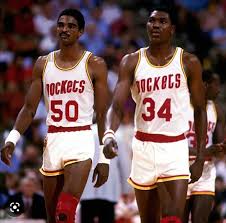

The deeper you dig into NBA history, the more interesting the Ralph Sampson and Victor Wembanyama comparison becomes.
At first glance, the similarities are undeniable.
Both entered the NBA as generational prospects. Both stood over 7 feet tall with guard-like mobility. Both won Rookie of the Year. Both transformed struggling franchises into contenders almost immediately. Most importantly, both led young teams to the NBA Finals in their third season after eliminating the defending champions.
That is where the comparison begins.
It is also where it starts to separate.
The 1986 Rockets: Shocking the World
In 1986, Ralph Sampson and the Houston Rockets shocked the basketball world. Houston finished just 51-31 during the regular season and entered the playoffs as underdogs against the defending champion Los Angeles Lakers. The Lakers were not simply champions; they were Showtime. Led by Magic Johnson, Kareem Abdul-Jabbar, James Worthy, and Michael Cooper, Los Angeles won 62 games and was widely viewed as the class of the Western Conference.
The Rockets beat them in five games.
That accomplishment remains one of the greatest playoff upsets of the 1980s.
Nevertheless, Sampson did not make that run alone.
Houston also possessed a young center named Hakeem Olajuwon, who averaged over 31 points per game against the Lakers in the Western Conference Finals. The Rockets featured two future Hall of Fame big men operating at an elite level.
Wembanyama's Journey Is Different
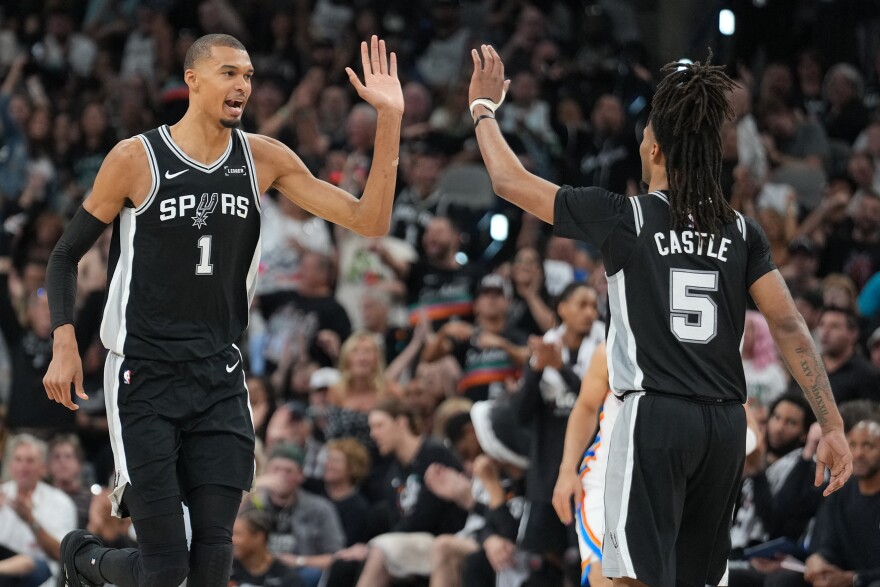
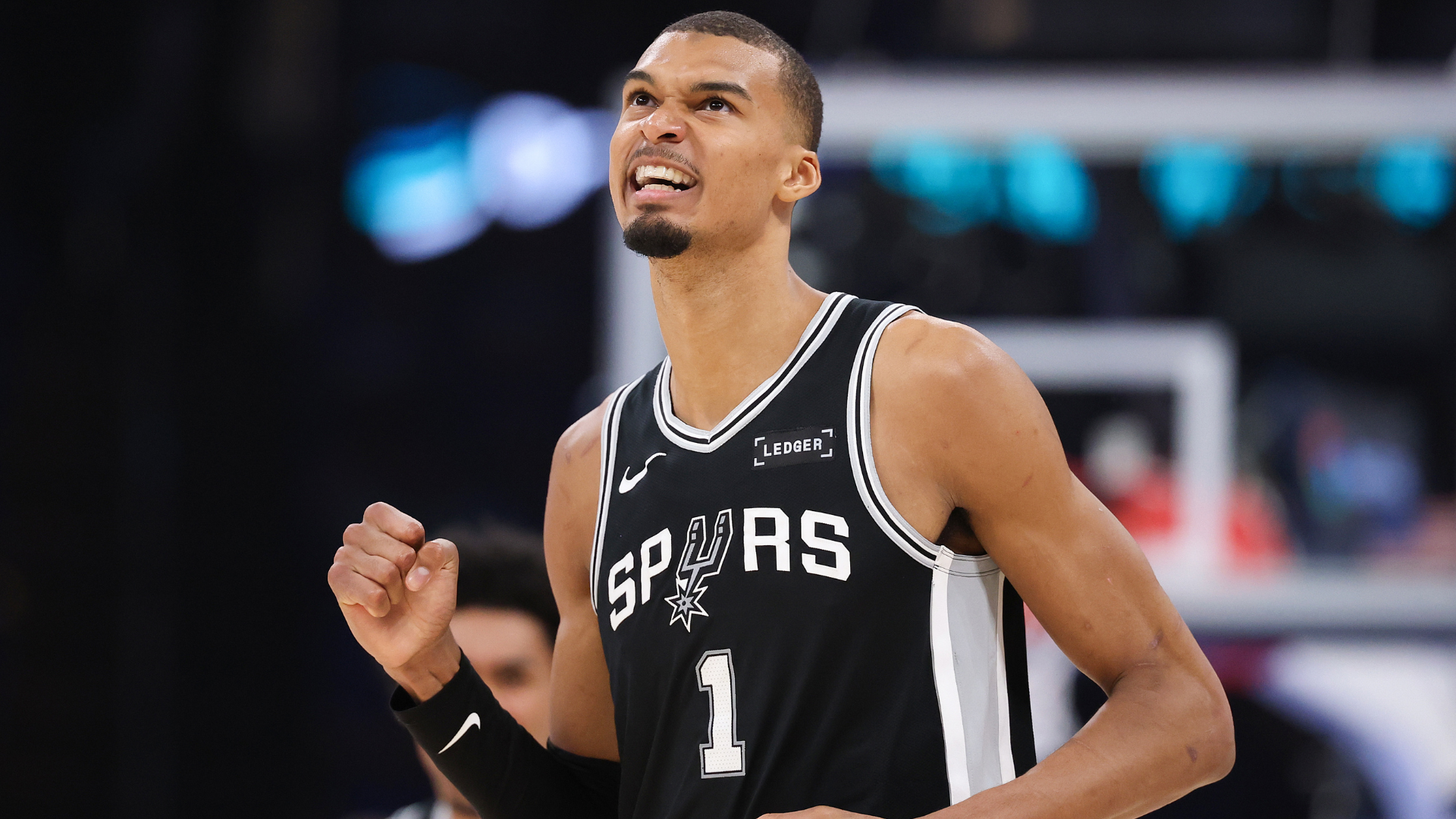
Victor Wembanyama and Stephon Castle - the new-look Spurs core.
The 2026 Spurs won 62 games and entered the playoffs as legitimate title contenders. While San Antonio's supporting cast may be deeper on the perimeter than Houston's was in 1986, Wembanyama does not have a Hakeem Olajuwon standing beside him. Stephon Castle, Devin Vassell, Jeremy Sochan, and Keldon Johnson are talented young players, but none have established themselves as all-time greats.
That places a greater burden on Wembanyama.
The similarities are therefore more structural than stylistic.
Both Players
- Won Rookie of the Year
- Reached the Finals in Year 3
- Played on young teams
- Eliminated the defending champions
- Became the face of their franchises
Where They Separate
The differences are equally important.
Sampson was part of a Twin Towers dynasty in the making.
Wembanyama is the foundation of the entire structure.
Sampson beat a 62-win Lakers team and then faced a 67-win Celtics team widely considered one of the greatest squads in NBA history.
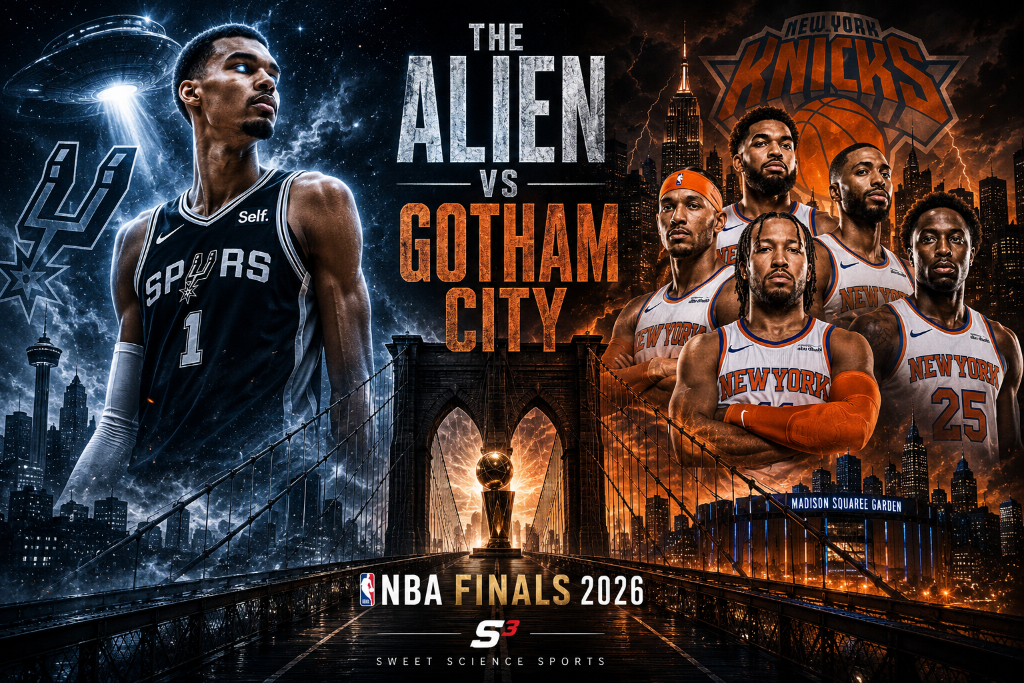
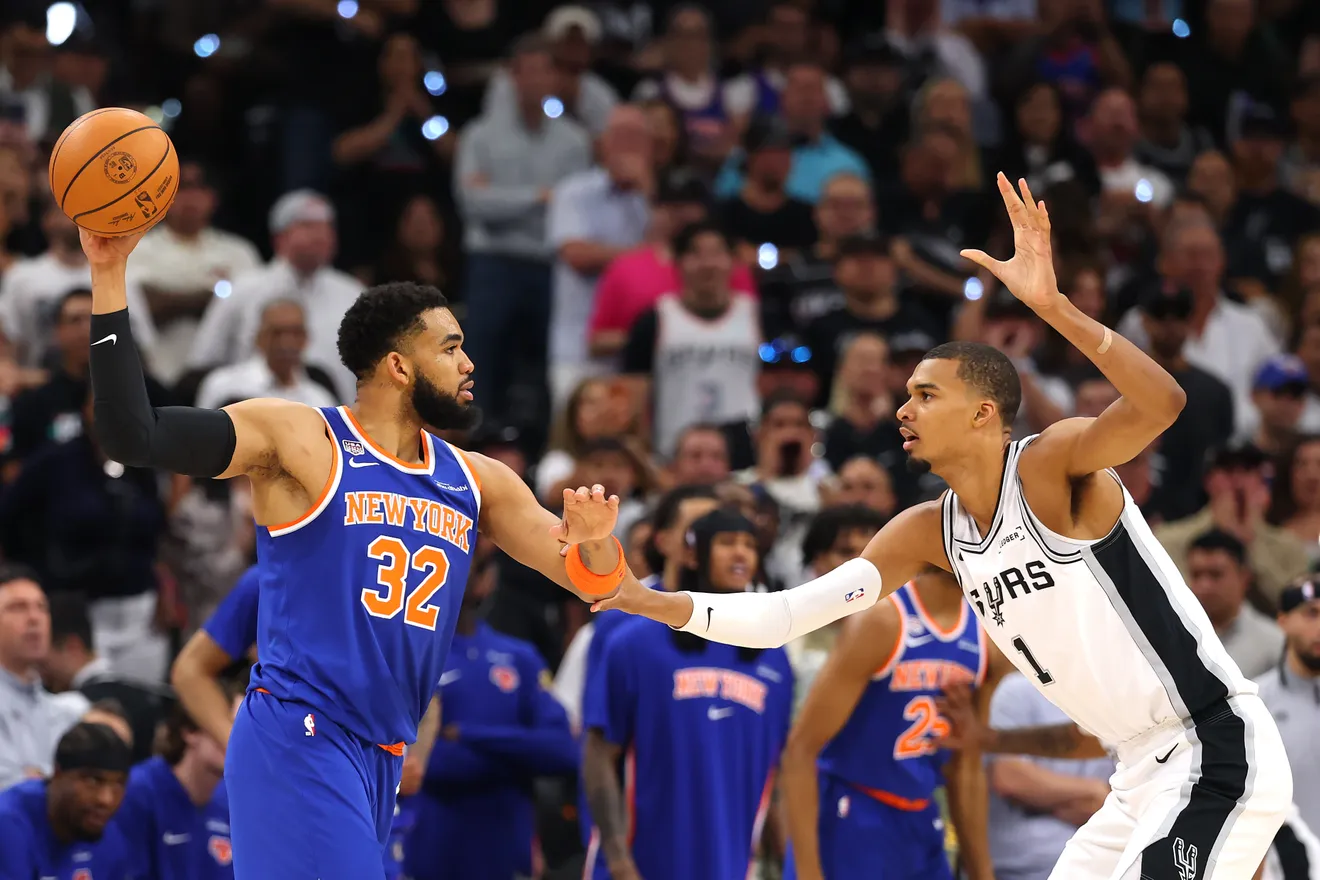
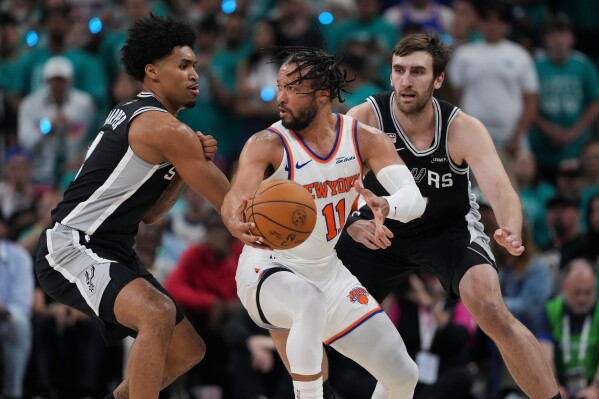
Wembanyama defeated a 64-win Thunder team in a seven-game battle and now faces a hot Knicks team that finished 53-29.
Both runs are impressive.
But the degree of difficulty favors the 1986 Rockets.
Sampson's Path
Part of a Twin Towers duo. Olajuwon averaging 31+ PPG beside him. Beat a 62-win Lakers team, faced a 67-win Celtics squad.
Wembanyama's Path
The sole superstar. Carried the Spurs past a 64-win Thunder team. Now faces a hungry Knicks squad in the Finals.
The Final Lesson
The final lesson may be the most important.
Through three seasons, Ralph Sampson looked like he was on an all-time great trajectory. Injuries changed everything.
Victor Wembanyama appears to be on an all-time great trajectory as well.
History reminds us that greatness is not determined in three years.
It is determined over fifteen.
S³ Final Take
Ralph Sampson's first three seasons may be the closest historical roadmap to Victor Wembanyama's start.
The paths look similar. The players are not. And the rest of Wembanyama's story has yet to be written.
- S³