
DETROIT - This was not a survival story.
What the Detroit Pistons delivered Friday night was something far more deliberate - a methodical, physical dismantling of a Cleveland Cavaliers team that entered Rocket Mortgage FieldHouse expecting to close out a series. Instead, Detroit dictated every possession, controlled the pace and delivered a 115-94 statement win that forces a winner-take-all Game 7.
The Numbers Tell the Story
Detroit finished the night shooting 52.4% from the floor, connected on 16-of-36 from three-point range and recorded 25 assists, 43 rebounds, 9 steals and 6 blocks - all while committing just 17 turnovers despite pushing tempo throughout.
Cleveland's numbers were the inverse of competent playoff basketball: 39.0% shooting, 20 turnovers, a mere 15 assists. That is not a team that played poorly. That is a team that was systematically broken down.
Twenty turnovers in an elimination game. That is the number that defines this night for Cleveland.
James Harden's Mixed Performance
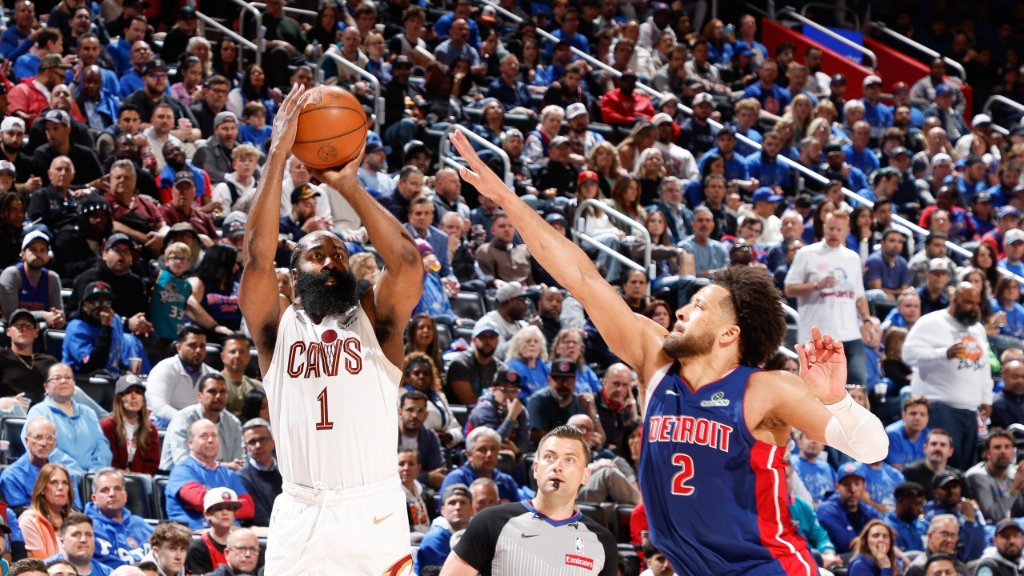
James Harden finished with 23 points, 7 rebounds and 4 assists - serviceable numbers on paper. But Detroit's defensive scheme exposed him repeatedly in the halfcourt, baiting him into rushed decisions and forcing five turnovers. When the Pistons applied pressure, Harden struggled to find answers, and Cleveland's offense deteriorated around him.
Detroit's Key Contributors
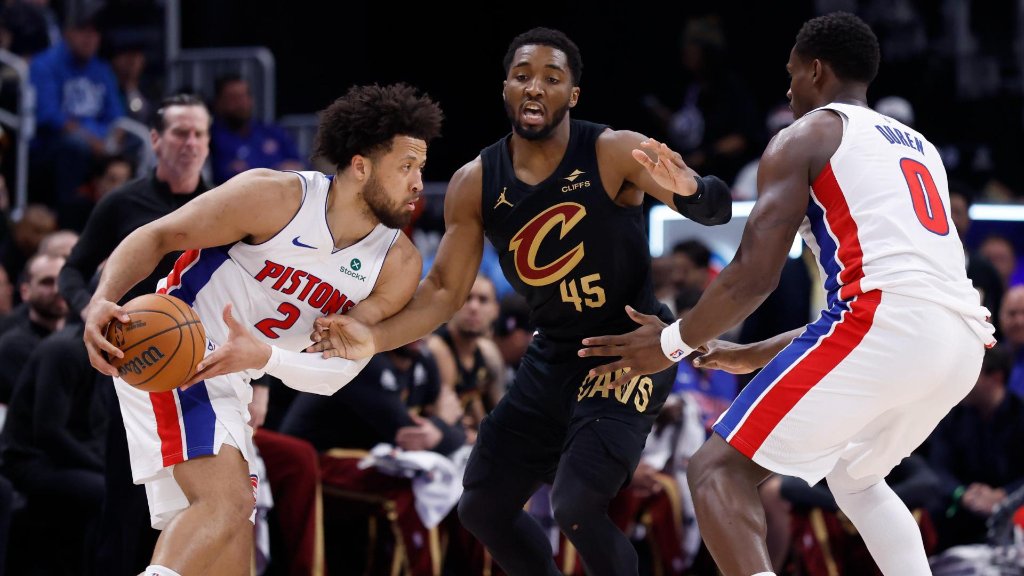
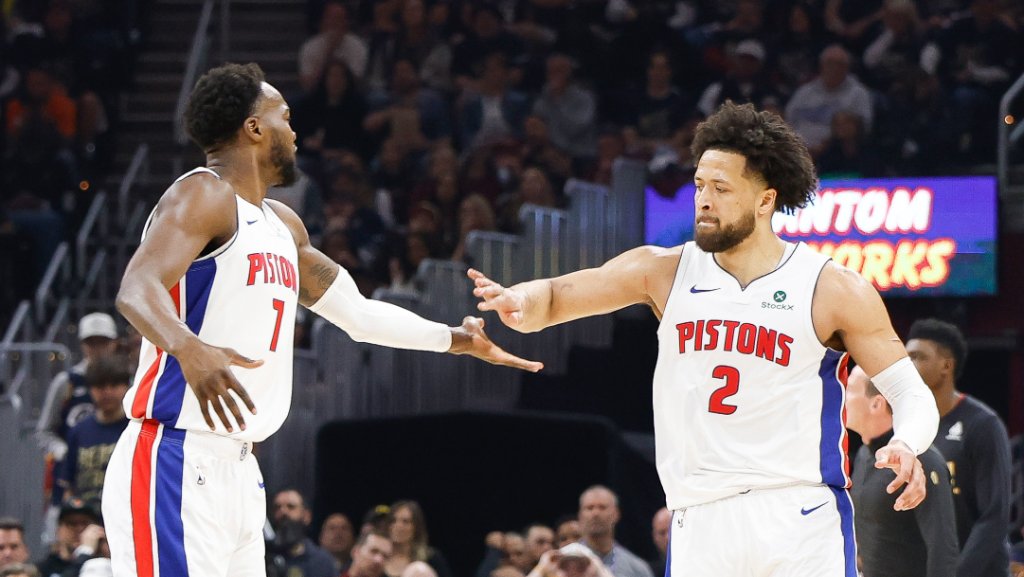
Cade Cunningham was the steadying force. The All-Star point guard finished with 21 points and five three-pointers, but his most valuable contribution was less measurable - the way he controlled rhythm, manipulated defensive rotations and refused to let Detroit get sped up. He never forced the issue. He just kept making the right play.
Jalen Duren delivered exactly the performance Detroit had been waiting for in this series: 15 points on 7-of-10 shooting, physical defense and relentless activity around the rim. This was the version of Duren that makes Cleveland uncomfortable - powerful, decisive and running hard.
Paul Reed, nevertheless, may have been the most unexpected storyline of the night. The backup big man torched Cleveland for 17 points on 7-of-9 shooting. His extended stretch in the second quarter stabilized Detroit's lead when Cleveland had its best chance to climb back into the game. "Backup big" does not begin to describe what Reed was on Friday.
Daniss Jenkins and Duncan Robinson each added 15 points, with both players converting when Detroit needed secondary scoring most. Role players delivering in late playoff rounds is not coincidence - it's coaching, culture and confidence.
Cleveland's Structural Problems
Donovan Mitchell scored 18 points. Evan Mobley added 18. Jarrett Allen chipped in 13. The individual production was there. The team offense was not.
Cleveland's halfcourt execution looked disjointed throughout - too many forced isolations, sloppy ball-handling under pressure and rushed shots on possessions where patience was required. Detroit did not simply defend Cleveland. It manipulated them, pressuring the Cavaliers into taking the exact shots and making the exact plays it wanted them to make.
What This Means Going Forward
Before Friday, Cleveland controlled this series. The Cavaliers had home-court advantage in Game 7 and had consistently been the steadier team when the margin for error tightened. That calculus has not entirely changed - Cleveland still plays Game 7 at home, and home-court advantage is real.
But Detroit just proved something important: it can make this ugly. It can take away Cleveland's structure, force turnovers in bunches and make the Cavaliers play a brand of basketball they do not want to play. Talent was never the question in this series. Now it is about nerve.
Game 7 is no longer simply about which roster is better. It is about which team can handle the weight of a single elimination game - and the Pistons just made a compelling case that they have earned the right to be there.
Winner-take-all. Sunday night.