
November 1, 2026
The NBA season is still young, but sometimes the early eye test tells you everything you need to know about a team's direction.
For the Orlando Magic, the concern isn't necessarily their early-season record. It's the possibility that a once-promising young team has stopped progressing.
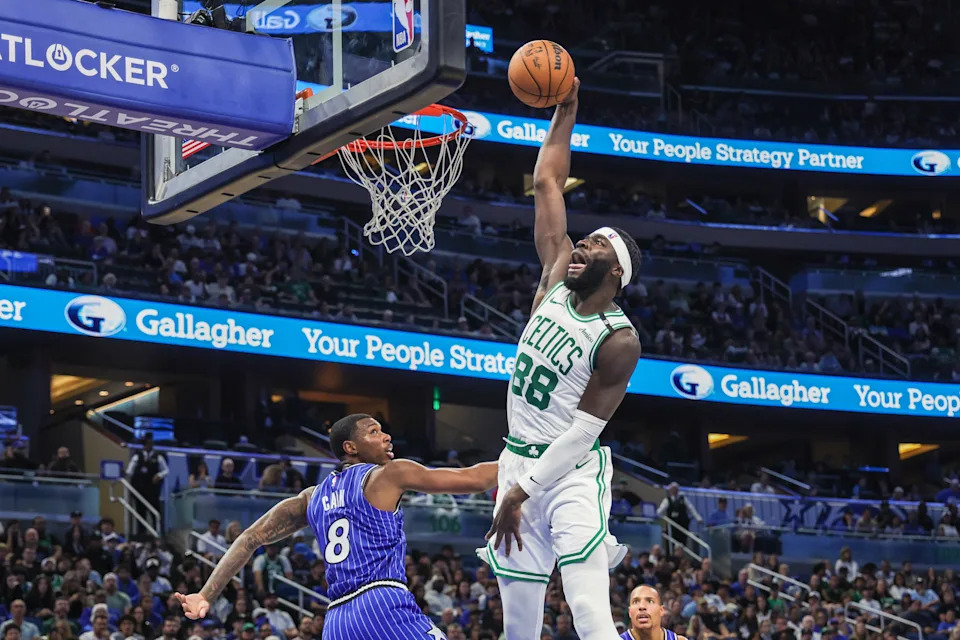
Orlando's 108–97 loss to the Boston Celtics on Sunday offered another reminder of the gap between a developing playoff team and an established contender.
Jayson Tatum led Boston with 32 points and seven assists, continuing his impressive early-season play and strengthening his MVP argument. Anthony Black scored 23 points for Orlando, while Tristan da Silva contributed 23 points and 10 rebounds off the bench.
The Magic were without Paolo Banchero, an important factor in Sunday's loss. But Orlando's concerns extend beyond one game or one injured player.
From Rising Team to First-Round Regular
During the 2023–24 season, Orlando looked like one of the Eastern Conference's emerging threats.
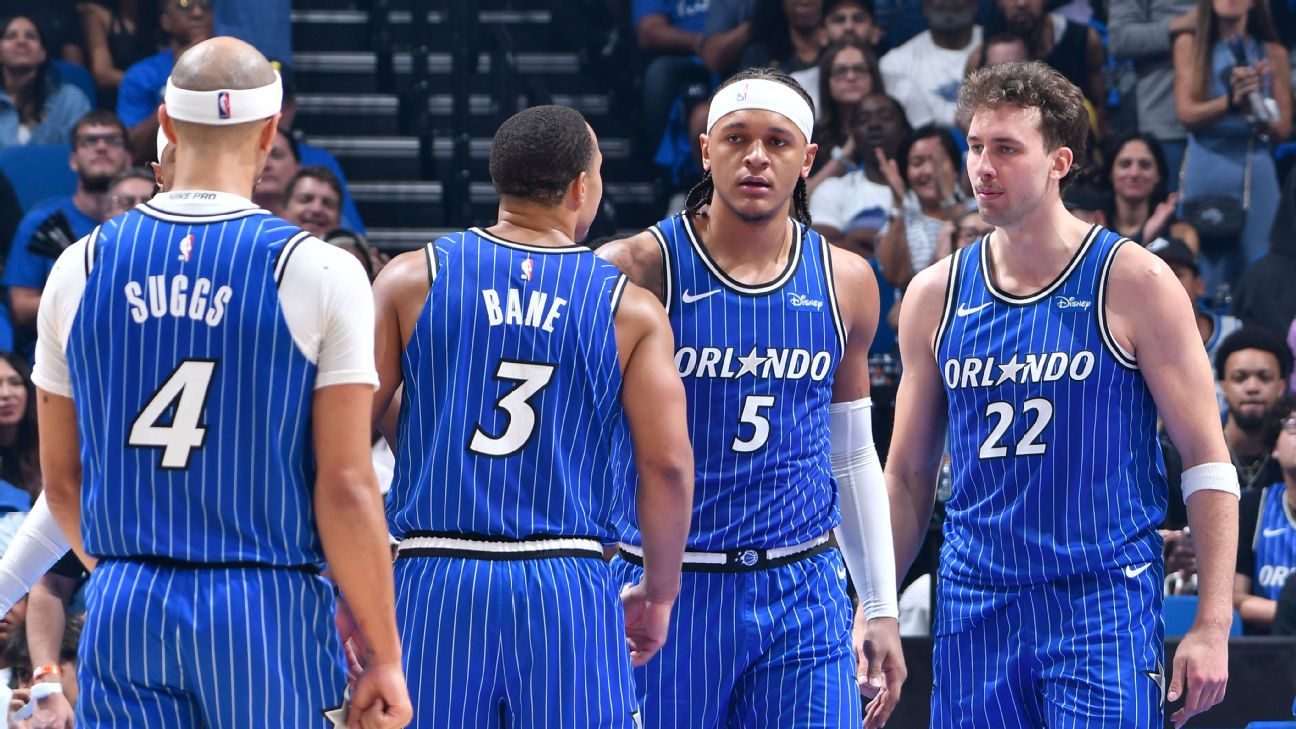
The Magic won 47 games behind a young nucleus featuring Banchero, Franz Wagner and Jalen Suggs. Their defensive intensity, athleticism and physicality gave opponents problems.
The expectation was that Orlando would continue improving as its young players developed.
Instead, the Magic have experienced three consecutive first-round playoff exits.
Their regular-season records tell the story:
- 2023–24: 47–35
- 2024–25: 41–41
- 2025–26: 45–37
Orlando has remained competitive without making the leap that its talent once suggested was coming.
Talent Isn't the Problem
Banchero is a legitimate offensive talent. Wagner has demonstrated his ability to score and create. Suggs brings defensive intensity, and the addition of Desmond Bane was intended to strengthen the perimeter offense.
Yet Orlando continues to face questions about offensive structure, execution and consistency.
The Magic have enough individual talent to compete on most nights. What they haven't consistently demonstrated is the ability to impose their offense against the league's better teams.
And that raises an uncomfortable question.
Is Orlando developing into a contender, or has this roster already approached its ceiling?
The Early Eye Test Matters
There's a tendency to dismiss criticism during the opening weeks of an NBA season.
It's too early. Teams need time. Players are still developing chemistry.
Those arguments have merit when a team is dealing with new personnel or temporary struggles.
But the eye test becomes more revealing when the same problems have existed for multiple seasons.
A young team struggling to establish its identity is understandable.
A team entering another season with the same core and the same weaknesses is a different conversation.
The early eye test isn't simply about wins and losses. It's about identifying whether a team has improved its execution, corrected its weaknesses and established a sustainable identity.
Sometimes a team can win while exposing serious flaws. Other times, a team can lose while demonstrating the characteristics of a future contender.
S³ Final Assessment
The Orlando Magic haven't collapsed. They've plateaued.
That doesn't mean their season is over or that their young core cannot improve. It means the organization is reaching the point where potential must translate into meaningful postseason results.
Head coach Jamahl Mosley has helped establish a competitive foundation. The next challenge is building an offense capable of carrying that foundation beyond the opening round of the playoffs.
The Magic have already demonstrated that they can become a playoff team.
Now they must demonstrate that they can become something more.
The season is young. The problems aren't always young.
Sweet Science Sports (S³) | Where Intelligence Meets Impact