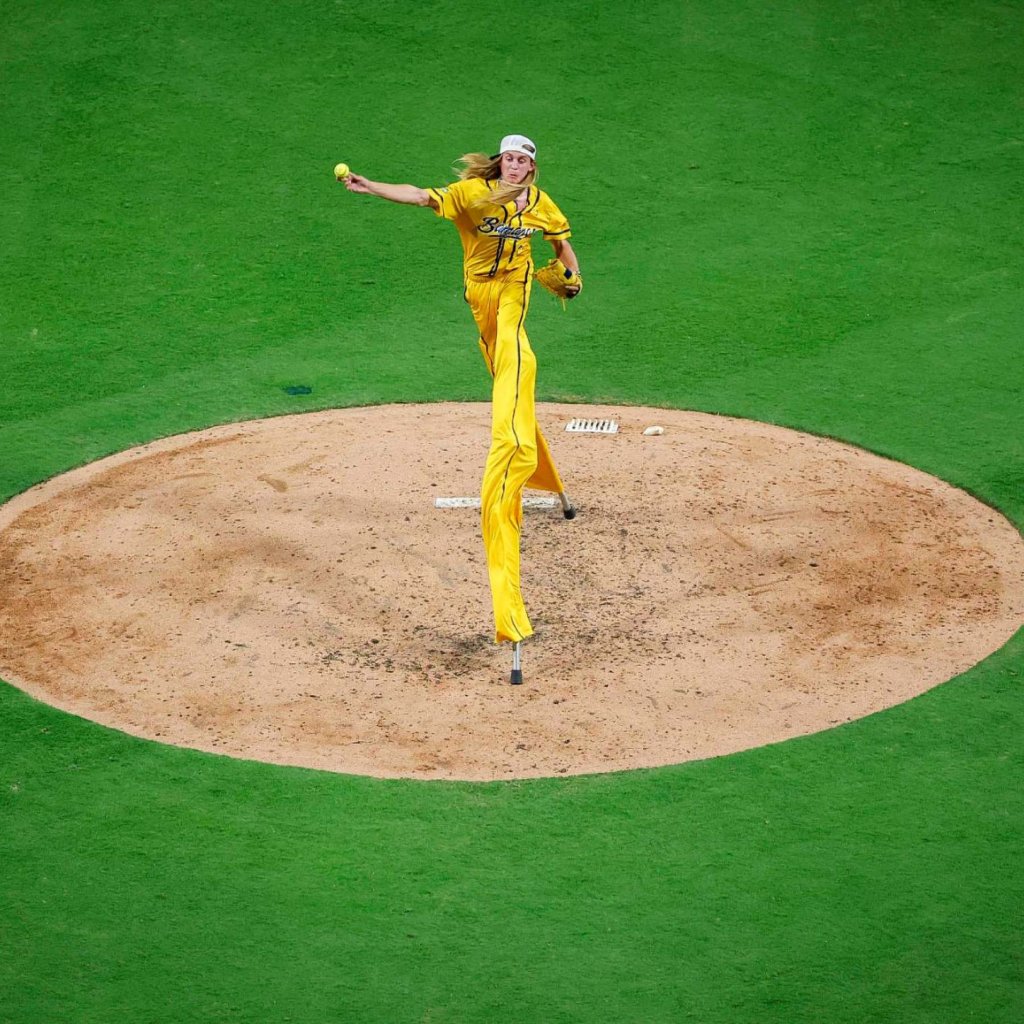

S³ Feature
The Savannah Bananas - Baseball's Greatest Disruption?
They wore yellow suits, banned bunting, and turned a dying sport's biggest weakness into a sold-out national movement. This is how baseball got disrupted - from the inside.
Baseball Had a Problem
For decades, baseball fought the same courtroom of public opinion.
Too slow. Too long. Too much dead air.
Nine innings stretched beyond three hours. Mound visits stalled momentum. Walks killed tension. Casual fans checked out before the seventh-inning stretch - if they made it that far.
The sport wasn't dying. But it was fading. And the people running it either didn't notice, or didn't care enough to do anything genuinely different.
Then came the Savannah Bananas.
And they asked a dangerous question:
What if baseball stopped taking itself so seriously?
Enter Jesse Cole: Baseball's Showman Architect
In 2016, Savannah Bananas founder Jesse Cole saw what traditional baseball insiders either ignored or refused to confront.
Fans wanted action. Not eventually. Immediately.
Cole's answer wasn't minor tweaks. There was no committee. No focus group. No five-year strategic plan.
It was total disruption.
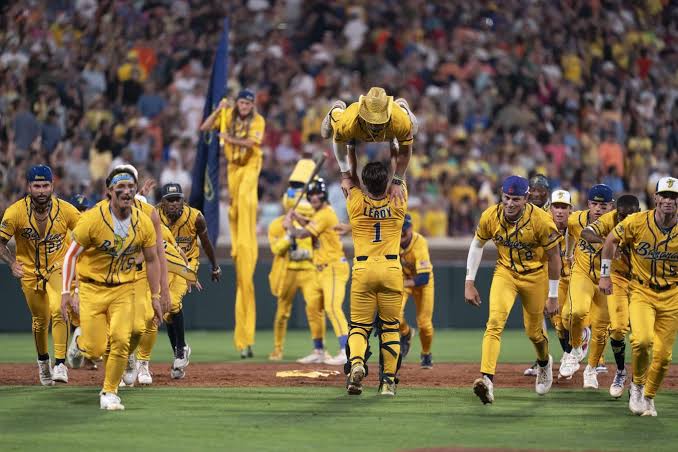
Banana-yellow suits. Top hats. Dance routines. Players doing choreographed antics mid-inning. A baseball culture where entertainment wasn't secondary to the game - it became the product.
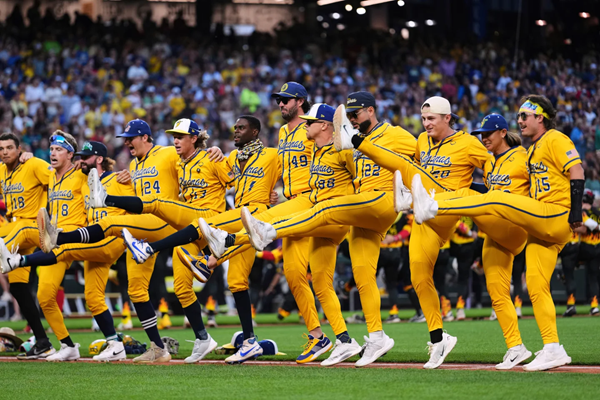
This wasn't baseball reform.
This was baseball rebellion.
Banana Ball: Baseball Rewritten
Banana Ball isn't traditional baseball with gimmicks stapled on. It's an entirely different sport ecosystem - built around one philosophy.
Eliminate Boredom.
Every rule traces back to that mandate. Here's what that looks like in practice:
Win the Inning, Win the Point
Forget cumulative scoring. Each inning becomes its own battle - win it, earn a point. The final inning? Every run counts. That means no meaningless late innings. Every frame matters.
Two-Hour Hard Cap
No marathon games. No dragging pace. The game ends at two hours - full stop. Baseball executives spent decades begging fans to be patient. Banana Ball said no.
No Stepping Out
Step out of the batter's box? That's a strike. No rituals. No reset theater. No manufactured tension. Every second of the at-bat belongs to the game.
No Bunting - Penalty: Ejection
Banana Ball sees bunting as anti-entertainment. The penalty isn't a warning. It's ejection. You bunt, you're gone. The crowd goes home with a story either way.
Ball Four Chaos
No walks. On ball four, the batter takes off running and the defense scrambles to record the out. Pure disorder. Pure entertainment. No one sits down during a walk anymore.
Fans Become Defenders
Catch a foul ball in the stands? That's an out. Imagine paying for a ticket and accidentally changing the game. There isn't another sport on earth where that happens.
The Golden Batter
Once per game, any hitter can bat regardless of lineup order. Translation: your best weapon gets deployed whenever the moment demands it. Strategy becomes theater.
Baseball Meets Performance Art
This is where traditionalists get uncomfortable.
Because Banana Ball isn't just sport - it's spectacle. Fans describe it like a baseball party, a circus meets athletics, sports comedy with elite athleticism underneath.
Jesse Cole leans fully into the chaos. He interacts with crowds. Sprints around the stadium. Turns ownership itself into a performance. That level of commitment isn't marketing strategy - it's belief.
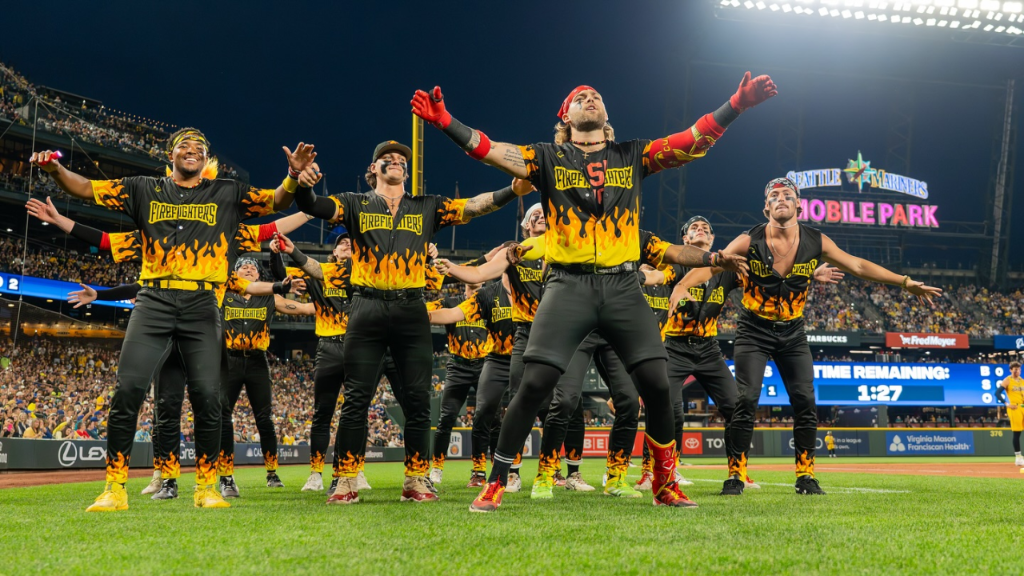
Because the audience isn't just watching. They're participating.
And in 2026, participation is the most valuable thing a sports property can offer.
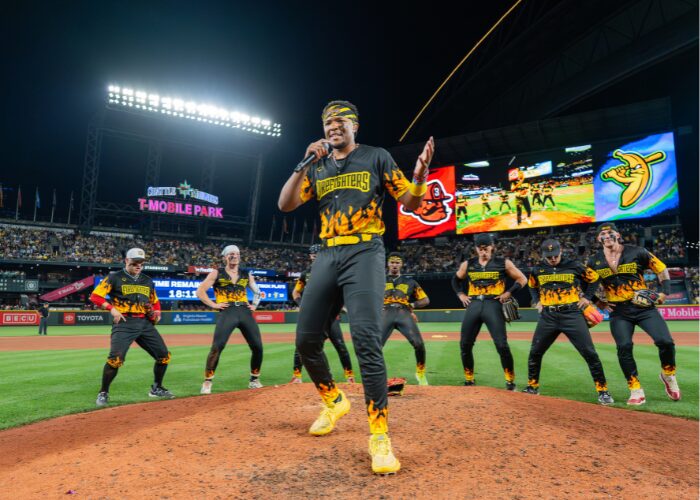
The Growth Explosion
What started as a weird experiment in Savannah, Georgia became a movement.
Massive social media reach. Nationwide sellouts. Ticket lotteries. Major stadium tours drawing fans who have never attended a traditional baseball game in their lives.
Banana Ball doesn't feel niche anymore. It feels scalable. And that's the word that should keep traditional sports executives up at night.
By the Numbers
100%
Sellout Rate
50+
Cities Toured
M+
Social Followers
Players Actually Love It
One of the most surprising developments in the Banana Ball story: former professional players embrace it.
Why? Because it restores something that gets stripped from athletes long before they leave the game.
Joy.
Traditional baseball can become mechanical - pressure, statistics, transactions, survival. Every at-bat logged and scrutinized. Every error a headline. Banana Ball flips that environment entirely.
Players still compete. The athleticism is real. But the stadium feels alive in a way most professional venues stopped feeling years ago.
That matters more than critics want to admit.
The Economic Reality
This isn't just viral content with a one-season shelf life.
Cities benefit. Hotels fill. Restaurants book out. Tourism spikes. When fans travel in large numbers for a Banana Ball event, it becomes an event economy - and that changes how local markets view sports entertainment properties entirely.
That's not a minor league footnote. That's a business model.
The Bigger Question
Is Banana Ball better than baseball?
That's the wrong question.
The real question:
Did baseball leave a giant entertainment gap that Banana Ball exploited?
The answer looks like yes. Because millions of fans aren't showing up accidentally.
They're choosing this.
S³ Final Take
Banana Ball may irritate purists. But disruption usually does.
The Savannah Bananas found something sports leagues miss when they get too big, too serious, and too comfortable: fans don't only want competition. They want emotion. Energy. Chaos. Moments they'll text their friends about at midnight.
Banana Ball doesn't replace baseball. But it absolutely exposes baseball's weaknesses - and that's exactly why it matters.
The sport's biggest disruption came wearing a yellow suit.
- Sweet Science Sports