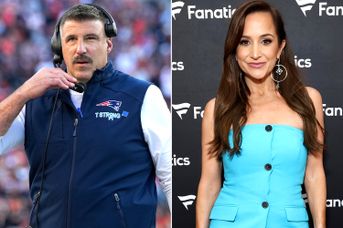

Nobody knows what actually happened. That's not a footnote - that's the whole story.
No confirmed violation. No official timeline. No verified results. Just photos, reactions, and an avalanche of guesswork - and somehow that was enough to ignite a full-blown credibility debate. That's what we should be talking about. Not the story the media ran with. The one buried underneath it.
The Jump
When the noise started, voices like Jemele Hill stepped in with a framework that sounds airtight on the surface:
"If he doesn't answer, it hurts his credibility."
Clean. Principled. Makes sense, right?
Except nobody stopped to ask the obvious follow-up: what actually builds a coach's credibility? Because it's not a press conference. It's not satisfying a media cycle that was already spinning before a single fact was in the room.
S³ Definition: Credibility (Coach Version)
A coach earns credibility by leading a locker room through adversity. By managing pressure when a fourth quarter actually means something. By developing players nobody believed in and winning - consistently, over time, against real resistance. That's the ledger. That's what counts.
It's not built on viral optics. It's not tied to what the public feels entitled to have explained. And it has absolutely nothing to do with photographs stripped of context.
The Optical Trap
Here's where the real story lives - and it's not in the facts, because there weren't many. Coach. Reporter. Public setting. Photos with no context. That combination creates tension, sure. But tension isn't evidence. Discomfort isn't proof. And a story that looks like something isn't the same as a story that is something.
The optical trap is exactly that - a trap. And sports media walked straight into it, eyes wide open.
What Was Actually Confirmed
One thing. One real, verifiable outcome: Dianna Russini left The Athletic. Not because something was proven. Not because a violation was confirmed. Because the noise became the story - and once that happens, the facts stop mattering to the people driving the conversation.
That's the shift you need to pay attention to. The reaction is now more powerful than the truth. That should bother you.
S³ Reality Check
If this were a genuine football issue - something real and substantiated - the process is straightforward. The league gets involved. Teams respond formally. Discipline follows. None of that happened. Not a single step of it.
So what are we actually judging here? Not a coach. Not a journalist. We're judging a story - one built on photographs, amplified by opinion, and validated by the sheer volume of people willing to treat assumption like analysis.
Last Word
When nobody knows what happened but everybody's got a take, that's not accountability journalism. That's assumption dressed up in an analysis costume.
At S³, that doesn't fly. You don't get credibility points for being loud first. You earn them by being right - or by having the discipline to say nothing when nothing's been confirmed. Those are the only two options worth respecting.
Mike Vrabel's credibility isn't what's on trial here. Sports media's is.