
The fifth generation of gaming consoles (mid-1990s) is widely regarded by enthusiasts and industry historians as the most transformative era in the medium's history. Why? Because it changed gaming from 2D pixels to fully navigable 3D worlds. That said, "biggest" is always subjective - and a strong case can be made for several other generational leaps as well.
1. The 3D Revolution: SNES/Genesis to PS1/N64
Most agree this is the single greatest leap in gaming history.
- Dimensional Shift: Flat, side-scrolling 2D sprites gave way to fully explorable 3D environments - a fundamental reimagining of what a game world could be.
- Mechanical Innovation: The Nintendo 64 introduced the analog stick and rumble feedback, which quickly became industry standards for 3D movement and immersion.
- Cinematic Storytelling: Sony's PlayStation leveraged CD-ROM technology to enable pre-rendered cutscenes and orchestral soundtracks, transforming video games into cinematic experiences for the first time.
2. The Visual Peak: PS1/N64 to PS2/GameCube/Xbox
The fifth generation invented 3D - the sixth generation made it look real.
- Fidelity Leap: Character models jumped from roughly 400 polygons to over 10,000, making facial expressions and individual fingers visible on screen.
- Refined Controls: Dual-analog controllers and standardized camera systems eliminated much of the "jank" that defined early 3D games.
- Multimedia Integration: The PlayStation 2's DVD playback capability turned gaming consoles into living room centerpieces - and made the PS2 the best-selling console of all time.
3. The Modern Infrastructure: PS2/Xbox to PS3/Xbox 360
The seventh generation built the ecosystem that defines gaming today.
- HD Gaming: The shift from standard definition to HD (720p/1080p) was immediately visible and dramatic - games simply looked sharper and more detailed than ever before.
- Online Connectivity: Digital storefronts, achievements, and online multiplayer became global norms during this era, fundamentally changing how players interact with games and each other.
Other Significant Generational Leaps
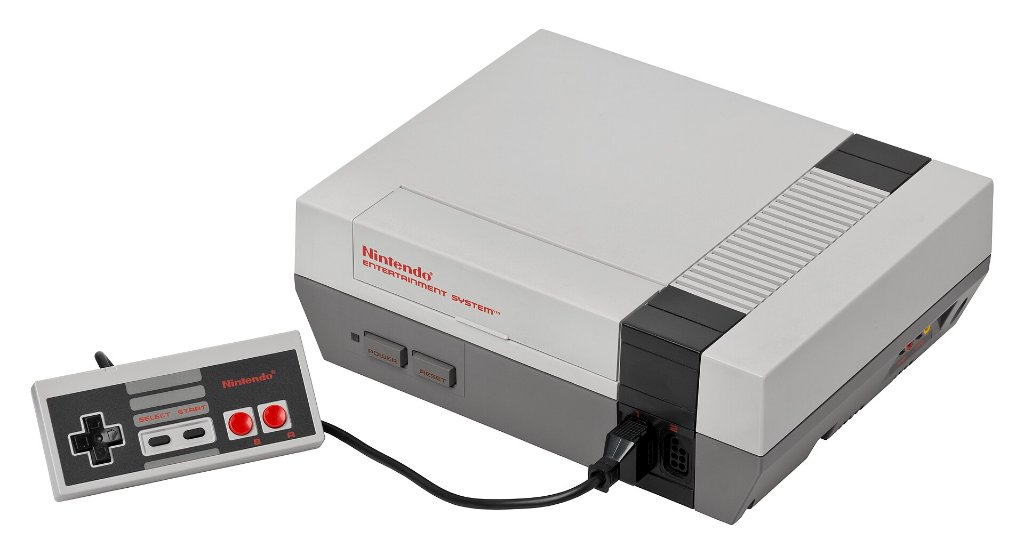
- Atari 2600 to NES (3rd Gen): Nintendo's NES is credited with rescuing the gaming industry after the infamous 1983 market crash, introducing structured gameplay loops and iconic titles like Super Mario Bros.
- 8-bit to 16-bit (4th Gen): The jump from 256 colors to thousands enabled the golden age of pixel art - games like The Legend of Zelda: A Link to the Past and Street Fighter II represent this era at its peak.
Where Do We Go From Here?
Since the seventh generation, generational leaps have become increasingly incremental. The jump from PS4 to PS5, for example, focused on refinement - ray tracing, faster load times, haptic feedback - rather than structural reinvention. The days of gaming changing "everything" in a single console cycle may be behind us.
That's what makes studying these earlier periods so compelling. The emergence of 3D graphics in the fifth generation, or the online revolution of the seventh, weren't just technical milestones - they reshaped culture, storytelling, and how an entire generation grew up. Each era built on the last, and understanding that lineage reveals just how far gaming has come.
Which of these historical periods would you most like to explore further? Let us know.